How to Clean and Care for PVC Patches So They Last for Years
Custom pvc patches need very little care: wipe or rinse them with mild soap and cool water, let them air dry, keep them away from high heat and harsh solvents, and store them flat. This guide from Customized PVC Patches explains how each backing, relief style and special finish holds up, and what to do so your patches outlast the gear they sit on.
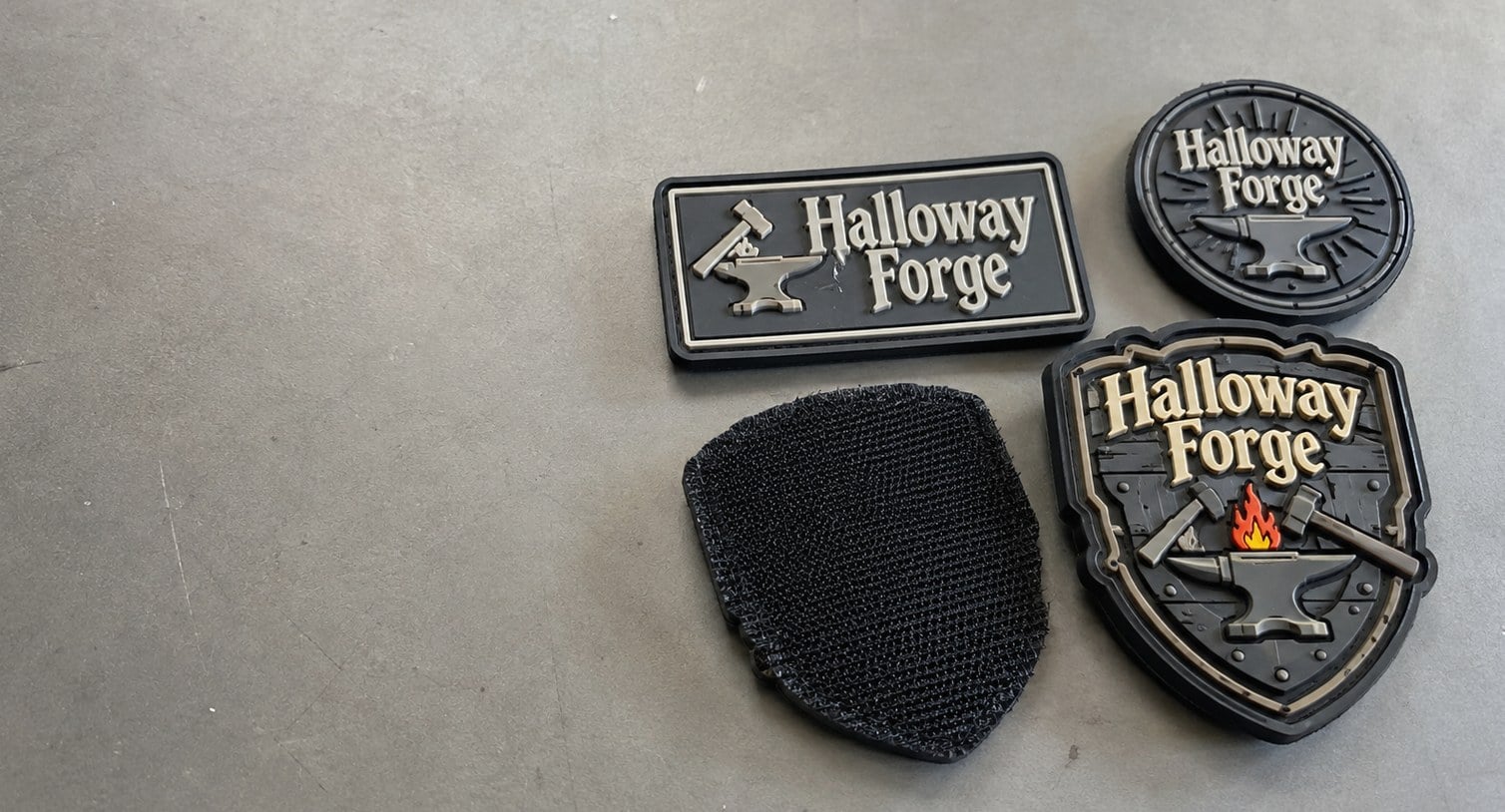
- PVC is a soft, flexible rubber-like material that does not fray, absorb stains or fade the way thread can
- Mild soap, cool water and a soft brush handle almost every cleaning job
- High heat from irons, dryers and heat presses is the main thing to avoid
- Hook-and-loop backed patches can be removed before washing the garment
- Customized PVC Patches sends a free mockup within 24 hours, with a minimum order of 12
How do you clean a PVC patch without damaging it?
The safest way to clean pvc patches is a soft brush or cloth, cool or lukewarm water and a drop of mild dish soap. Scrub gently along the raised edges where dirt collects, rinse, and pat dry with a towel. That routine removes mud, sweat, grease and dust from almost any patch without dulling the color.
PVC is a non-porous material, so dirt sits on the surface instead of soaking into fibers the way it does on an embroidered patch. That is the main reason teams, crews and outdoor brands choose pvc patches in the first place: a quick rinse brings them back. An old toothbrush is ideal for getting into the recessed channels of a 3D design, while a microfiber cloth is enough for a flat 2D patch.
- Brush off loose dirt while the patch is dry.
- Wet a soft brush or cloth with soapy water.
- Work in small circles over the face and raised borders.
- Rinse with clean water.
- Pat dry and let the patch finish drying in open air.
Skip bleach, acetone, paint thinner and abrasive scouring pads. Solvents can soften the surface and cloud bright colors, and scouring pads leave fine scratches that collect grime later.
Can PVC patches go in the washing machine and dryer?
Pvc patches can go through a gentle, cool wash cycle while attached to a garment, but the dryer is where trouble starts. High dryer heat can warp the rubber, loosen an adhesive or heat-seal backing, and make a sewn patch pucker against shrinking fabric. Air drying is the safe default.
For the best results, turn the garment inside out so the patch face does not rub against zippers and buttons, use a mild detergent and choose a cold or cool setting. If the patch is on a hook-and-loop panel, take it off first and clean it by hand; the hook side also tends to grab other laundry and pull threads.
| Method | Safe for pvc patches? | Notes |
|---|---|---|
| Hand wash, mild soap | Yes | Best option for every backing and finish |
| Machine wash, cool and gentle | Usually | Turn the garment inside out; remove hook-and-loop patches first |
| Tumble dryer on high heat | No | Can warp the patch and weaken heat-applied backings |
| Air dry | Yes | Lay flat or hang away from direct heat |
| Ironing over the patch | No | Iron around the patch, never on it |
Which backing is easiest to care for?
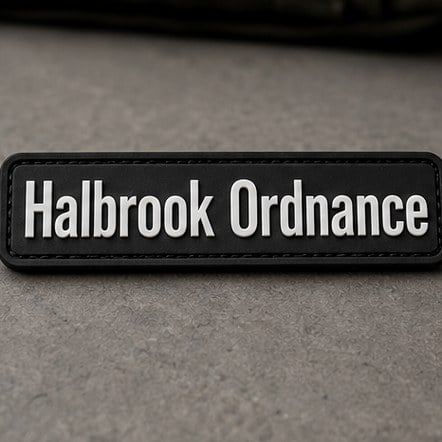
Hook-and-loop backing is the easiest backing to care for, because you simply peel the patch off the garment before laundry and wash each item the way it needs. Sew-on patches are the most durable through repeated washing, and adhesive or iron-style backings need the most caution around heat.
Each backing has its own care pattern:
- Hook-and-loop: remove before washing the garment, and clean lint and hair out of the hook side with a stiff brush or a fine comb so it keeps its grip. See the hook-and-loop pvc patches page for how the backing is built.
- Sew-on: the stitches carry the load, so check the thread line every few months on hard-worn gear and re-stitch any loose section early.
- Adhesive backings: best for bags, cases and items that rarely see the washer. Keep them out of hot dryers and away from steam.
If you are unsure which backing suits how your patches will be worn and cleaned, the existing backing comparison on the blog covers attachment in depth. The short version for care: if the item will be laundered often, sewing or hook-and-loop beats adhesive.
How long do PVC patches last compared with embroidered patches?
Pvc patches usually outlast embroidered patches on hard-worn gear because there is no thread to fray, snag or fade, and the molded color runs through the material rather than sitting on top. With basic care, a well-made pvc patch typically outlives the jacket, cap or pack it is attached to.
The things that shorten a patch’s life are predictable: repeated high heat, harsh chemicals, constant abrasion against straps or rifle slings, and long periods in direct sun on a dashboard or window ledge. Avoid those and the patch keeps its shape and edges.
Relief style matters too. A 2D soft pvc patch has flat raised levels that shrug off rubbing, while a 3D molded pvc patch has sculpted detail that can catch more dirt in its recesses and benefits from a brush when cleaning. Both are equally tough materials; the 3D version simply needs a little more attention in the crevices.
Do glow-in-the-dark and reflective PVC patches need special care?
Glow-in-the-dark and reflective pvc patches need the same gentle cleaning as standard patches, plus a little extra protection for the finish. Dirt and grime block light, so keeping the surface clean is what keeps a glow patch charging well and a reflective patch bouncing back headlights.
For glow-in-the-dark pvc patches, wipe the glowing areas clean and give the patch time in bright light before you need it to glow. A patch that lives in a dark drawer will not glow until it has charged again. For reflective pvc patches, avoid abrasive pads and solvents in particular, because scratches on the reflective layer scatter light instead of returning it.
- Clean with soap and water only; no polishes or protectant sprays.
- Air dry rather than using a heat gun or hair dryer on high.
- Check the reflective surface before night use and replace a patch that has worn through.
How should you store spare PVC patches?
Store spare pvc patches flat, in a cool and dry place, out of direct sunlight, and separated so the faces do not press into each other for long periods. A shallow box, a zip bag or a binder of clear sleeves keeps a reorder stock or a morale-patch collection in as-new condition.
Hook-and-loop patches store well on a loop-faced panel or board, which keeps the hook side clean and lets you see the whole set at once. That is how many collectors keep their pvc morale patches. Avoid stacking heavy items on top of 3D patches, and avoid storing patches in a hot car or a sunny window, where heat can soften the material over time.
If your organization issues patches over months, such as to new members or new hires, storing the remainder properly means the last patch handed out looks the same as the first. Keep the original proof with the stock so future reorders match.
What should you do if a PVC patch starts to peel or come loose?
A pvc patch that starts to lift should be fixed early, while the problem is small. For a sew-on patch, re-stitch around the edge through the existing channel. For an adhesive patch, the most reliable repair is to add a few stitches around the edge, since re-heating can warp the face.
Hook-and-loop patches that stop gripping usually have lint packed into the hook side. Clean it with a stiff brush, and if the loop panel on the garment is worn flat, that panel is the part that needs replacing rather than the patch.
Patches that come loose repeatedly are often a sign the backing was not matched to the use. If you are planning a new run, the team at Customized PVC Patches can recommend a backing for how the patches will be worn, washed and stored when you request a quote. Every order includes a free mockup within 24 hours, unlimited free revisions, and you pay nothing until you approve the design.
How do care needs affect what you order?
Thinking about care before you order helps you choose the right backing, relief and finish for pvc patches that will be cleaned often. Gear that goes through the laundry weekly calls for sew-on or hook-and-loop backing; patches for bags and cases can use adhesive; patches that will be scrubbed after muddy events are easiest to keep clean in 2D.
Customized PVC Patches makes pvc patches from a minimum of 12 pieces, with standard turnaround of about 2 weeks after design approval and faster delivery available with express shipping. The how it works page walks through the steps from artwork to delivery. Tell the team where the patches will live, how they will be cleaned and how long they need to last, and the mockup will reflect those choices.
Frequently asked questions
Can I use dish soap to clean a PVC patch?
Mild dish soap is one of the best cleaners for pvc patches. Mix a small amount into cool or lukewarm water, scrub gently with a soft brush or cloth, and rinse with clean water. Dish soap cuts grease and sweat without attacking the material or dulling the colors. Avoid strong degreasers, bleach and solvent-based cleaners, which can cloud the surface over time.
Will hot water damage custom PVC patches?
Custom pvc patches are best washed in cool or lukewarm water rather than hot water. Very hot water and high dryer heat can soften the material, warp the shape and weaken adhesive or heat-applied backings. Customized PVC Patches recommends a cool, gentle cycle with the garment turned inside out, followed by air drying, so the patch keeps its shape and its backing holds.
Can I iron over a PVC patch?
PVC patches should never be ironed directly, because the iron's heat can melt or warp the raised surface and leave a mark on the plate. Iron the garment around the patch instead, or iron it inside out with a cloth between the iron and the fabric while keeping the hot plate off the patch area. Steam near an adhesive backing should also be avoided.
How do I get dirt out of the grooves of a 3D PVC patch?
A 3D pvc patch cleans best with a soft toothbrush dipped in soapy water. Work the bristles into the recessed channels in small circles, rinse under the tap and pat dry. Customized PVC Patches suggests brushing dry dirt off first so it does not turn into mud in the grooves, and never using pins or sharp tools that could scratch the molded detail.
Should I remove hook-and-loop PVC patches before washing a jacket?
Hook-and-loop pvc patches should come off before the jacket goes in the wash. The patch itself can be cleaned by hand in a minute, and removing it stops the hook side from snagging other clothes and collecting lint that weakens its grip. Close any open hook panels on the jacket too, then reattach the patch once everything is dry.
Why has my glow-in-the-dark PVC patch stopped glowing?
A glow-in-the-dark pvc patch glows only after it has absorbed light, so a patch kept in a drawer or a dark bag needs time in bright light before it shines again. Dirt over the glowing areas also blocks charging. Clean the face with soap and water, leave the patch in strong light, and the glow should return at full strength.
Can sunlight fade PVC patches over time?
PVC patches resist fading far better than thread, but long periods in harsh direct sunlight, such as on a dashboard or in a shop window, can slowly affect any colored material. Customized PVC Patches recommends storing spares away from strong sun and rotating display patches if they sit in a bright window. Patches worn on normal outdoor gear hold their color well.
What is the best way to display a PVC patch collection?
A PVC patch collection displays best on a loop-faced panel or board when the patches have hook backing, because the patches stay flat, clean and easy to rearrange. Sew-on or adhesive patches can be kept in clear binder sleeves or a shadow box. Keep any display away from heaters and direct sun, and avoid stacking heavy objects on 3D designs.
Are PVC patches waterproof enough for boats and outdoor gear?
PVC patches are a strong choice for boats, packs and outdoor gear because the material does not absorb water, mildew or stains the way fabric does. Rinse them with fresh water after salt or mud exposure and let them air dry. Customized PVC Patches recommends sew-on or hook-and-loop backing for wet environments, since adhesive backings hold best on dry surfaces.
Can a worn PVC patch be reordered to match the original?
Worn pvc patches can be reordered to match the original as long as the artwork and approved proof are available. Customized PVC Patches keeps reorders simple: send the file or a clear photo, confirm colors and backing on a free mockup within 24 hours, and the new run ships in about 2 weeks. The minimum order of 12 also applies to reorders.
Do PVC patches crack in cold weather?
PVC patches stay flexible in normal cold-weather use on jackets, packs and hats, and do not shed or fray the way stitched patches can. Repeated sharp folding while the patch is very cold is the main thing to avoid. Let a stiff patch warm up naturally before bending it, and store spares flat rather than folded inside pockets or bags.
Get a free mockup for your pvc patches
Send your logo or idea and the quantity you have in mind. Customized PVC Patches returns a free mockup within 24 hours, you approve the design before anything is produced, and standard turnaround is about two weeks with faster options available. Get a custom quote.