Category: Buying Guides

  • Patch Rollout Mistakes: What Goes Wrong After Custom PVC Patches Arrive and How to Avoid It

    Patch Rollout Mistakes: What Goes Wrong After Custom PVC Patches Arrive and How to Avoid It

    Patch Rollout Mistakes: What Goes Wrong After Custom PVC Patches Arrive and How to Avoid It

    Published November 27, 2026. Last updated November 27, 2026.

    Most problems with custom pvc patches happen after delivery, not during production: patches go on in different spots, the backing does not suit the garment, spares vanish, and nobody saves the reorder details. This guide from Customized PVC Patches covers the rollout mistakes teams, clubs and companies make most often and how to plan around each before the box is opened.
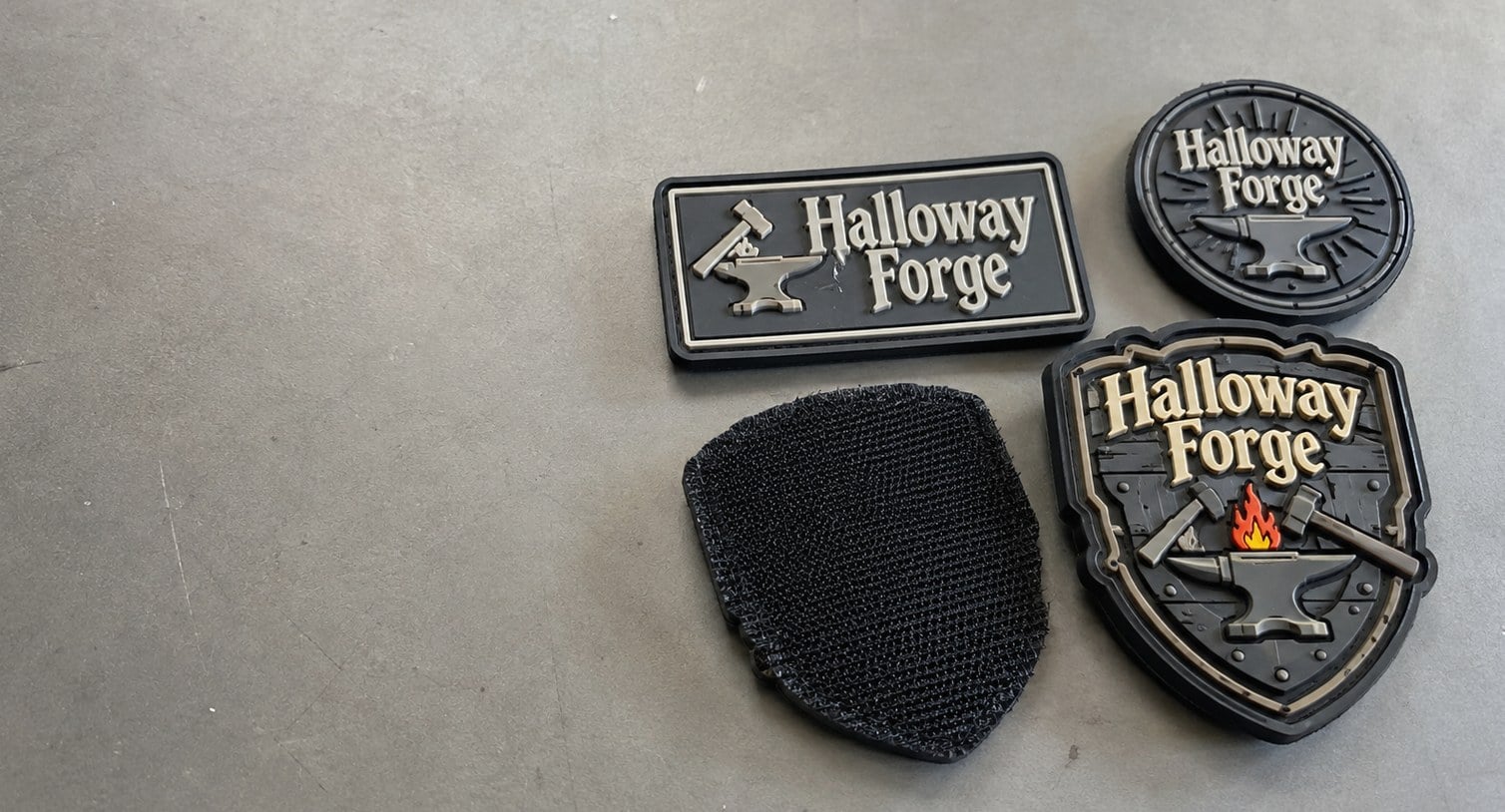
    Patch Rollout Mistakes: What Goes Wrong After Custom PVC Patches Arrive and How to Avoid It - custom printed pvc patches from Customized PVC Patches
    Custom pvc patches with a logo, produced by Customized PVC Patches.
    Key facts
    • Plan placement and backing before approving the mockup
    • Hook-and-loop and sew-on backings suit different garments
    • Free mockup within 24 hours, unlimited free revisions
    • Standard turnaround about 2 weeks after approval
    • Approved artwork stays on file for exact-match reorders

    What goes wrong most often after custom pvc patches are delivered?

    The mistakes that go wrong most often after custom pvc patches are delivered are inconsistent placement across uniforms, a backing that does not suit the garment, patches handed out with no record of who received them, spares that disappear, and no saved details for the next order. None of these are production defects, yet each one makes a good patch look like a poor program.

    Rollout mistakes are easy to miss because the order itself feels finished once the box arrives. In reality, the patch still has to reach the right jacket, cap, bag or vest in the right place, and it has to be replaceable months later when a new member joins or a patch is lost in the field.

    The good news is that almost every rollout problem can be solved before production. When you request a mockup from Customized PVC Patches, mention where the patches will go and who will attach them. Those two details shape the backing, the size and how the order is packed.

    Think of the rollout as the last step of the order rather than a separate chore. A quick plan covering placement, backing, distribution, spares and reorders takes less time than fixing a season of mismatched jackets, and it means the next person who manages the patch program inherits a clear system instead of a half-empty box.

    Why do pvc patches end up in different places on every uniform?

    PVC patches end up in different places on every uniform when nobody writes down a placement standard before the patches are handed out. Each person or tailor then guesses: one patch sits on the chest, another on the sleeve, a third slightly crooked above a pocket. In group photos and on a job site, the result looks unplanned.

    Prevent uneven placement with a one-page placement guide:

    • Name the exact garment location for each patch, such as left chest, right shoulder or cap front.
    • Describe the reference point, for example centered above the pocket seam or centered on the sleeve.
    • Include a photo of one correctly finished garment.
    • Say who is responsible for attaching patches: each wearer, a tailor or the uniform supplier.

    Customized PVC Patches can show the patch on a garment outline in the mockup, which gives you a ready-made reference image. Share that image with whoever attaches the patches, and keep it with the order records for the next batch.
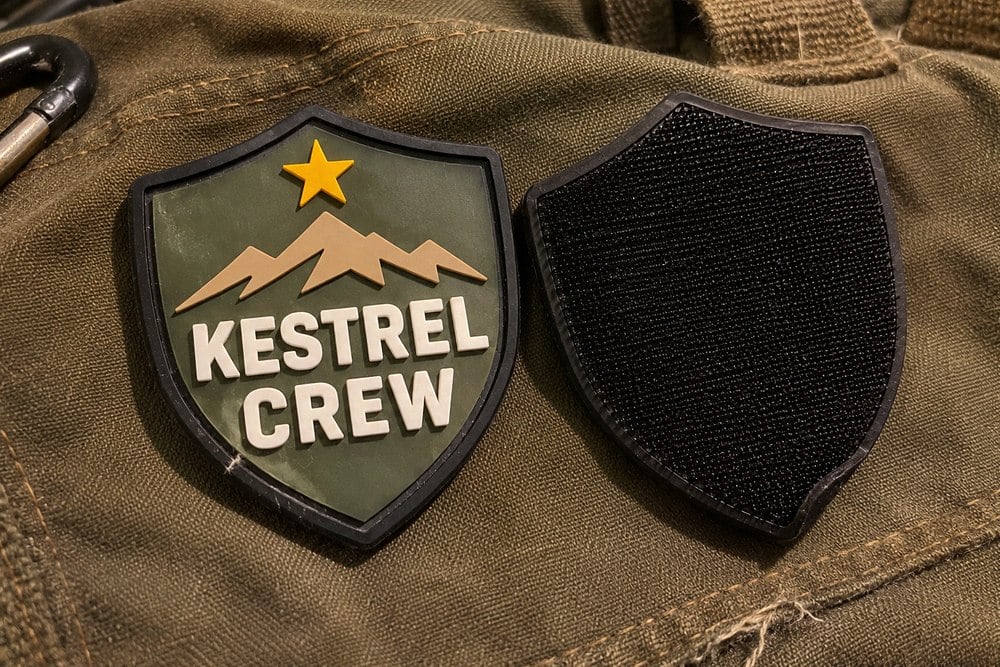
    Custom pvc patches with a logo from Customized PVC Patches
    Custom pvc patches from Customized PVC Patches.

    How does the wrong backing cause problems with pvc patches?

    The wrong backing causes problems with pvc patches when it does not match how the garment is worn and washed. A sew-on patch is permanent and suits uniforms, vests and bags that are worn every day. A hook-and-loop patch suits tactical gear, caps and jackets where patches need to be swapped, removed for washing or moved between garments.

    SituationBetter backingCommon mistake
    Daily work uniformsSew-onHook-and-loop that snags or gets removed
    Swappable name or role patchesHook-and-loopSew-on that has to be unpicked
    Bags and backpacksSew-onRelying on adhesive alone
    Caps shared across eventsHook-and-loopPermanent patches on rotating stock

    Remember that a hook-and-loop patch needs a matching loop panel on the garment. The hook-and-loop pvc patches and sew-on pvc patches pages explain each option so you can confirm the right backing on the quote.

    What happens when nobody tracks who received a pvc patch?

    When nobody tracks who received a pvc patch, a club or company quickly loses control of its emblem. Patches meant for members end up with former members or visitors, duplicates go to some people while others get none, and there is no way to tell how many are left before the next event or new-hire class.

    A simple distribution log fixes this:

    1. Record the total number of patches received by design and backing.
    2. Log each name, the patch given and the date.
    3. Keep remaining patches in one labeled box with a single person responsible.
    4. Review the count before each event, season or onboarding round.

    Tracking matters most for patches that signal membership, rank or completion, such as club rockers, achievement patches or department insignia. For these, many groups only issue patches at a meeting or ceremony, which turns the handout into a moment and keeps the log accurate.

    If patches ship to several locations, keep one log per location and a master total. That small step shows quickly whether one branch, chapter or crew is running low while another has a drawer full of spares, so you can move stock before ordering more.

    Why do spare pvc patches disappear, and how many should you keep?

    Spare pvc patches disappear because they are stored loosely, handed out informally or used for giveaways without anyone noting it. Keep spares in a sealed, labeled container, separate from the main stock, and decide in advance who can release them. That way a damaged or lost patch can be replaced the same day instead of waiting for a new order.

    The right number of spares depends on your turnover and how hard the patches are worn. Field crews, outdoor clubs and fast-growing teams usually need more spares than an office team issuing patches once. Plan for:

    • New members or hires expected before your next order.
    • Patches damaged during attachment.
    • Garments replaced through normal wear.
    • Occasional gifts to partners or guests.

    Customized PVC Patches confirms the minimum for your style on the quote, so you can see whether adding spares to the first run makes more sense than a small second order later.

    How do you make reordering pvc patches simple?

    Reordering pvc patches is simple when you save four details from the first order: the approved mockup, the patch size and shape, the backing, and the colors. With those on hand, a reorder from Customized PVC Patches skips the design step and matches the original batch, so new patches look identical next to old ones.

    Store the details where the next person in charge can find them, not in one inbox. A shared folder with the mockup file, the quote and the placement guide is enough. Add a note on when stock usually runs low, such as before a spring event or after a hiring wave.

    Standard turnaround is about 2 weeks after approval, with faster options available through express shipping, so reorder before spares run out. When you are ready, request a quote and mention that it is a repeat order. If your next patches are for an event, the trade show and conference patches page covers how to plan event runs.

    Frequently asked questions

    Who should attach custom pvc patches to a team's uniforms?

    Custom pvc patches look most consistent when one person or one tailor attaches them for the whole team, using a written placement guide. Letting each wearer attach their own patch works for hook-and-loop backings, but sew-on patches benefit from a single experienced hand so stitching and position match on every garment.

    Can a pvc patch mockup show placement on a specific garment?

    A pvc patch mockup from Customized PVC Patches can show the design on a garment outline such as a jacket chest, sleeve, cap or bag. That view helps you judge size before approving, and the same image becomes the placement reference for whoever attaches the patches after delivery.

    What is the best way to store unused pvc patches?

    Unused pvc patches store best flat in a sealed, labeled box or bag at room temperature, away from direct sun and heavy objects that could bend raised details. Keep each design and backing separate. A single person responsible for the box makes it easy to know exactly how many patches remain.

    Should every member receive their pvc patch at the same time?

    Issuing pvc patches to every member at the same time, such as at a meeting or kickoff, keeps distribution fair and the log accurate. Members who join later can receive theirs at the next gathering. Customized PVC Patches can match later batches to the original design so early and late recipients wear identical patches.

    Can we switch from sew-on to hook-and-loop pvc patches on a reorder?

    Switching backing on a pvc patch reorder is usually straightforward because the front design stays the same. Customized PVC Patches keeps your approved artwork on file, so you can request hook-and-loop instead of sew-on, or order both. Remember that hook-and-loop patches need a matching loop panel on the garment.

    How do I keep pvc patch colors consistent between orders?

    PVC patch colors stay consistent between orders when you reorder from the same approved artwork and color references rather than resending a new logo file. Customized PVC Patches saves the approved mockup, so a repeat run uses the same colors. Mention any brand color changes on the quote request so they are reviewed first.

    What should a pvc patch placement guide include?

    A pvc patch placement guide should name the garment location, the reference point such as a seam or pocket, the orientation, and who attaches the patch. Add a photo of one finished garment. Customized PVC Patches can supply a mockup image that works as the visual part of the guide.

    Why do some pvc patches peel off bags and jackets?

    PVC patches peel off bags and jackets when they rely on adhesive alone on surfaces that flex, get wet or rub against other gear. Sew-on backing holds far better on items that see daily use. For swappable patches, hook-and-loop with a stitched loop panel on the garment is the more secure option.

    Can leftover pvc patches be used as gifts or giveaways?

    Leftover pvc patches make good gifts for partners, sponsors or event guests, but log every one that leaves the spare box. For patches that signal membership or rank, keep a separate giveaway design so the official patch stays meaningful. Customized PVC Patches can produce both designs in coordinated runs.

    When should we reorder pvc patches for a growing team?

    A growing team should reorder pvc patches when spares fall to roughly the number of people expected to join before the next order could arrive. Standard turnaround is about 2 weeks after approval, so reorder ahead of hiring waves, member drives or events. Customized PVC Patches can turn a repeat order quickly from saved artwork.

    Do pvc patches need special care right after they are attached?

    Freshly attached pvc patches need no special care beyond checking that stitching is secure and edges sit flat. Avoid ironing directly on the patch face. For hook-and-loop patches, press firmly so the hook side fully engages, and check the loop panel stitching on the garment before first wear.

    Get a free mockup for your pvc patches

    Send your logo or idea and the quantity you have in mind. Customized PVC Patches returns a free mockup within 24 hours, you approve the design before anything is produced, and standard turnaround is about two weeks with faster options available. Get a custom quote.
  • PVC vs Leather Patches: Which Is Better for Hats, Jackets and Bags?

    PVC vs Leather Patches: Which Is Better for Hats, Jackets and Bags?

    PVC vs Leather Patches: Which Is Better for Hats, Jackets and Bags?

    Published November 16, 2026. Last updated November 16, 2026.

    Choose pvc patches when your logo needs bright colors, fine detail and resistance to rain, sweat and washing; choose leather when you want a single-tone, heritage look on a cap or jacket that stays mostly dry. Customized PVC Patches helps buyers make that call, returns a free mockup within 24 hours and ships in about 2 weeks after approval.

    PVC vs Leather Patches: Which Is Better for Hats, Jackets and Bags? - custom printed pvc patches from Customized PVC Patches
    Custom pvc patches with a logo, produced by Customized PVC Patches.
    Key facts
    • PVC patches hold multiple distinct colors; leather patches are usually one tone with a debossed or engraved mark.
    • PVC is waterproof and wipes clean; leather needs to be kept dry and conditioned.
    • Both work on caps, jackets and bags with the right backing.
    • Customized PVC Patches sends a free mockup within 24 hours and you pay nothing until you approve the design.
    • Standard turnaround is about 2 weeks, with express shipping available.

    What is the real difference between pvc patches and leather patches?

    The real difference between pvc patches and leather patches is how the logo is made. A pvc patch is a single piece of soft, flexible PVC poured into a custom mold, with each color filled into its own section. A leather patch is a cut piece of hide or synthetic leather with the logo pressed, debossed or laser-engraved into the surface.

    That one difference drives almost everything else. Because the colors in a pvc patch sit in separate molded areas, the patch can carry a full brand palette, raised outlines and small lettering. Because a leather patch marks the logo into one material, the result is usually a single tone that relies on texture and depth instead of color.

    Neither is better in every case. Leather has a warm, crafted look that suits workwear brands, outdoor outfitters and premium caps. PVC has a crisp, modern look and shrugs off weather, which is why it shows up on tactical gear, club vests, team bags and anything that lives outside. The rest of this guide walks through the questions buyers actually ask when deciding between the two.

    How do pvc and leather patches compare side by side?

    Pvc patches win on color, detail and weather resistance, while leather patches win on a natural, aged look and a soft hand feel. The table below compares the two on the points that matter most when you are choosing a patch for real gear.

    QuestionPVC patchesLeather patches
    How many colors can the logo use?Several distinct molded colors, each in its own sectionUsually one tone; color comes from the leather itself
    How fine can the detail be?Raised outlines and small text hold well, especially in 3D molded designsFine lines can blur in the grain; bold, simple marks work best
    What happens in rain or a wash?Waterproof; rinse and wipe cleanCan stain, stiffen or darken when soaked
    How does it age?Colors and edges stay consistentDevelops a patina and shows wear over time
    What does it feel like?Smooth, rubbery and flexibleSoft, textured and natural
    Which special finishes are possible?Glow-in-the-dark and reflective optionsMostly limited to the leather tone and edge finish
    Which backings are common?Sew-on and hook-and-loopMostly sew-on or adhesive for caps

    If two or more rows point clearly toward one material for your use, that is usually your answer. If the rows split, the next sections on specific gear will help you decide.

    2D Soft PVC Patches - one of the custom pvc patches styles from Customized PVC Patches
    2D Soft PVC Patches.

    Which patch is better for hats and caps, pvc or leather?

    For hats, leather patches suit a vintage, ranch or workwear style on a cap that rarely gets soaked, while pvc patches suit sport, tactical, fishing and outdoor caps that see sweat, sun and rain. The deciding factor is usually how the cap will be worn, not which material looks better in a photo.

    Leather on a cap front reads as understated and premium, and it pairs well with earth-tone and heathered fabrics. The downside is that a sweat-soaked leather patch can darken or curl at the edges, and a single-tone mark cannot show a multi-color logo.

    Pvc patches keep their color on a cap through sweaty practices, boat days and summer events. A thinner 2D soft PVC patch sits flatter on a curved crown and is easier to stitch than a deep relief design, while a 3D patch adds bold depth on a structured front panel. If your logo has more than one brand color, PVC is the only one of the two that can reproduce it faithfully.

    • Pick leather for lifestyle caps, brand merch with a heritage look and single-color marks.
    • Pick PVC for team caps, outdoor and fishing hats, and any logo that needs its exact colors.

    Are pvc patches or leather patches better for jackets and vests?

    Pvc patches are usually the stronger choice for jackets and vests that get ridden in, worked in or worn outdoors, and leather patches are a good fit for dress jackets and denim where a subtle, tonal brand mark is the goal. Weather exposure and how often the garment is cleaned should guide the decision.

    On a riding vest, a field jacket or a rain shell, a pvc patch survives rain, road grime and the occasional hose-down. Clubs that need a bold emblem with several colors, plus matching rockers or title patches, get more consistent results from molded PVC; the pvc patches for motorcycle clubs page covers that use in depth.

    Leather patches look natural on a denim jacket, a waxed canvas coat or a leather vest, because the material blends into the garment. They also work well as a small label patch at the hem or pocket rather than as the main emblem. If the jacket will be machine washed often, PVC is the safer pick, since repeated soaking is hard on leather. For permanent attachment on either material, a sew-on pvc patch stitches cleanly through denim, canvas and leather.

    Which material holds up better on bags, packs and outdoor gear?

    Pvc patches hold up better on bags, backpacks, coolers, dry bags and other gear that is set down on wet ground, packed tightly or left in the sun. PVC does not absorb water, so the patch can be rinsed after a muddy trip and look the same once it dries.

    Leather patches still have a place on bags, mostly on canvas totes, briefcases, duffels and retail goods where the patch acts as a brand label and the bag lives indoors. On these products, leather adds a crafted touch that many shoppers associate with quality goods.

    For gear that moves between users or missions, a hook-and-loop pvc patch lets you swap logos, names or roles without stitching. Leather is rarely offered with that kind of backing, so if your packs or plate carriers already have loop panels, PVC is the practical option.

    1. Decide whether the bag will see rain, dirt or water.
    2. Check whether the logo needs more than one color.
    3. Decide whether the patch must be removable.
    4. If any answer points to weather, color or swapping, choose PVC.

    Do pvc patches look as premium as leather patches?

    Pvc patches can look every bit as premium as leather patches, but the premium look comes from different places. Leather signals quality through texture and natural material, while PVC signals quality through crisp edges, layered relief and exact brand colors that stay sharp for years.

    A well-designed 3D molded pvc patch with stepped layers, a clean border and a matched color palette reads as a finished, high-end product on a jacket or bag. A cheap-looking pvc patch is almost always a design problem: too many tiny details, colors that fight each other or a shape that does not suit the logo. Those problems are fixed at the mockup stage.

    At Customized PVC Patches, the free mockup arrives within 24 hours, and revisions are unlimited and free, so you can push the design toward a more refined look before anything is produced. You pay nothing until you approve the design, which means you can compare a 2D and a 3D version of the same artwork and choose the one that looks most premium for your audience.

    How do care and long-term wear compare?

    Pvc patches need almost no care: rinse them with mild soap and water and let them air dry. Leather patches need to stay dry, may need occasional conditioning and will change color and texture as they age, which some buyers love and others see as wear.

    That difference matters most for organizations that issue patches to many people. A uniform program, a club or a team wants every patch to look the same on the first day and years later, and PVC delivers that consistency. A lifestyle brand selling caps may actually want the patina that leather develops, because it makes each piece feel personal.

    Think about the cleaning routine of the garment, too. A pvc patch can go through a gentle wash on the garment and come out unchanged. A leather patch on a garment that gets washed regularly may shrink, stiffen or pull at its stitching. For more detail on keeping PVC looking new, see the care guide on this site’s blog.

    So which should you order: pvc or leather?

    Order pvc patches when your logo has more than one color, when the patch will face weather, sweat or washing, or when you need hook-and-loop swapping or special finishes. Order leather when you want a tonal, heritage mark on caps, denim or retail goods that will mostly stay dry.

    Many buyers end up using both: leather for a lifestyle cap line and PVC for team gear, uniforms and outdoor bags. If you are leaning toward PVC, the next decisions are relief, backing and size. Share your artwork, where the patches will go and the date you need them in hand through the quote form. Customized PVC Patches will send a free mockup within 24 hours and confirm the verified minimum for your style on the quote, and standard production takes about 2 weeks after approval, with express shipping available when the deadline is tight. The how it works page walks through each step from artwork to delivery.

    Frequently asked questions

    Can a leather patch design be converted into a pvc patch?

    Pvc patches can usually reproduce a logo originally designed for leather, because a debossed leather mark is already simple and bold. Customized PVC Patches can turn that artwork into a molded design and add color sections if you want them. The free mockup shows exactly how the converted logo will look before you commit to anything.

    Are pvc patches lighter or heavier than leather patches on a cap?

    Pvc patches and leather patches feel similar on most caps, and the real difference in weight comes from thickness and size rather than material. A thin 2D soft pvc patch sits light and flat on a crown, while a deep 3D design adds a little more heft. Ask for a size recommendation when you request your mockup.

    Will a pvc patch outlast a leather patch on everyday gear?

    Pvc patches generally keep their original look longer than leather patches on gear used every day, because PVC does not absorb sweat or rain and stays flexible instead of drying out. Leather ages into a patina that some brands like. Customized PVC Patches recommends PVC when every patch in a program must still look the same years later.

    Can pvc patches be made in brown or tan to look like leather?

    Pvc patches can be molded in earthy browns, tans and cream tones to echo a leather-style look while keeping PVC's weather resistance. Customized PVC Patches can match these colors to your brand palette. The finish stays smooth rather than grained, so the result reads as a modern take on the heritage style rather than imitation leather.

    Which patch type is better for a fishing or boating brand?

    Pvc patches are the better match for fishing and boating brands, because spray, rain and wet decks quickly stain or warp leather. Molded PVC rinses clean and keeps its colors in strong sun. Customized PVC Patches can add a custom shape, such as a fish or an anchor outline, so the patch matches the brand on caps, coolers and dry bags.

    Can I order pvc patches and leather patches with the same logo?

    Pvc patches can share artwork with a leather line you source elsewhere, and keeping one master vector file makes that easy. Customized PVC Patches produces the PVC version and can match your exact brand colors. Many brands use leather for lifestyle caps and PVC for team or outdoor gear, keeping the logo consistent across both product lines.

    Is a leather or pvc patch better for a work uniform program?

    Pvc patches suit most work uniform programs better, because uniforms are washed often and must look identical across every employee. Molded PVC keeps the same colors and edges wash after wash. Customized PVC Patches can supply sew-on backing for permanent shirts and hook-and-loop for outer layers, both from the same artwork and approved mockup.

    Can a leather-style logo with a stamped border work as a pvc patch?

    Pvc patches can recreate a stamped or stitched-look border from a leather-style logo as a raised molded edge, often in a contrasting color. Customized PVC Patches builds that border into the mold so it frames the design cleanly. The free mockup within 24 hours shows how the border reads at your chosen size before you approve.

    Which is easier to clean after a muddy event, pvc or leather?

    Pvc patches are far easier to clean after mud, rain or a spilled drink, since a rinse with mild soap and water brings them back. Leather patches absorb moisture and can stain or stiffen, so they need gentle spot cleaning and careful drying. For event gear and giveaways that will see rough use, PVC is the low-maintenance pick.

    Can pvc patches be attached to leather jackets and leather bags?

    Pvc patches attach to leather jackets, vests and bags with a sew-on backing, using a leather needle or a shop with a heavy-duty machine. The PVC stitches easily; the leather garment is the harder part. Customized PVC Patches can recommend a border width that leaves room for a clean stitch line on thick leather.

    How do I decide between pvc and leather if my team cannot agree?

    Pvc patches and leather patches are easiest to compare side by side on the same logo. Customized PVC Patches sends a free mockup within 24 hours and offers unlimited free revisions, so your group can review the PVC version against the leather look you have in mind. Pay nothing until the design is approved by everyone who needs to sign off.

    Do pvc patches cost more than leather patches?

    Pvc patch pricing depends on size, the number of colors, 2D or 3D relief, backing and quantity, so a direct comparison with leather varies by design. Customized PVC Patches gives a clear quote once you share your artwork and order details through the quote form. You pay nothing until you approve the design and the free mockup.

    Get a free mockup for your pvc patches

    Send your logo or idea and the quantity you have in mind. Customized PVC Patches returns a free mockup within 24 hours, you approve the design before anything is produced, and standard turnaround is about two weeks with faster options available. Get a custom quote.

  • Custom PVC Patches for Hiking, Paddling and Outdoor Clubs: A Complete Playbook

    Custom PVC Patches for Hiking, Paddling and Outdoor Clubs: A Complete Playbook

    Custom PVC Patches for Hiking, Paddling and Outdoor Clubs: A Complete Playbook

    Published November 9, 2026. Last updated November 9, 2026.

    Custom pvc patches suit hiking, paddling, climbing and trail clubs because molded PVC shrugs off rain, mud and river spray that ruin thread. Customized PVC Patches helps outdoor clubs choose the right relief, backing and size for packs, jackets and hats, returns a free mockup within 24 hours and ships in about 2 weeks after approval.

    Custom PVC Patches for Hiking, Paddling and Outdoor Clubs: A Complete Playbook - custom printed pvc patches from Customized PVC Patches
    Custom pvc patches with a logo, produced by Customized PVC Patches.
    Key facts
    • Molded pvc patches handle rain, mud and splash better than thread-based patches
    • Hook-and-loop backing lets members move one patch between packs and jackets
    • Free mockup within 24 hours, with unlimited free revisions
    • Pay nothing until you approve the design
    • Standard turnaround about 2 weeks; express shipping available

    Why do outdoor clubs choose pvc patches over embroidered ones?

    Outdoor clubs choose custom pvc patches because the patch is a single molded piece of soft PVC, so there are no threads to fray on granite, snag on brush or soak up a river crossing. A wet pvc patch can be wiped or rinsed and looks the same once it dries, which matters for gear that spends whole weekends outside.

    Thread-based patches still have a place on a club fleece or a dress jacket worn to the annual dinner. On anything that rides on a pack, a dry bag, a helmet bag or a rain shell, pvc patches tend to keep their colors and edges sharper for longer, because the colors sit in the molded material rather than in stitches that can pill and fuzz.

    There is also a practical identity benefit. A bright, raised club emblem on the lid of a backpack is easy to spot at a crowded trailhead, at a put-in on a busy river or in a pile of gear outside a hut. For clubs that meet up with other groups, that visibility helps members find each other quickly.

    If you are weighing materials side by side, the pvc vs woven patches comparison covers how each one holds up in daily use.

    Which outdoor gear can a pvc patch go on?

    A custom pvc patch can go on almost any outdoor gear with a fabric panel, a loop field or a stitchable edge. The backing you choose decides where it works best, so match the gear list to the attachment before you order.

    GearBest backingWhy
    Backpack lids and hip-belt pocketsHook-and-loopMany packs already carry a loop panel, and members can swap patches between packs
    Rain shells and softshellsHook-and-loop on a sewn loop panelKeeps stitching on the shell to a single small panel
    Club fleeces and work vestsSew-onA permanent patch that survives repeated washing
    Caps and trucker hatsSew-onSits flat on the curved front panel
    Dry bags, duffels and gear binsSew-on or hook-and-loopDepends on whether the bag has a stitchable strap or panel

    For permanent placement on fleeces, vests and duffels, the sew-on pvc patches guide walks through stitching through the patch edge. For packs and shells, hook-and-loop pvc patches are the most flexible option because one patch can follow a member from summer pack to winter jacket.

    2D Soft PVC Patches - one of the custom pvc patches styles from Customized PVC Patches
    2D Soft PVC Patches.

    Should an outdoor club patch be 2D or 3D?

    An outdoor club patch should be 2D when the design relies on flat shapes, clean lettering and a simple mountain or wave outline, and 3D when the emblem has a feature worth sculpting, such as a peak, a paddle blade, a carabiner or a club animal. Both are soft PVC and both handle weather the same way; the difference is how the design looks and feels in the hand.

    2D soft pvc patches build the design from flat layers at different heights. They read clearly at a distance and stay slim on a pack lid, which keeps them from catching on straps or branches. Many clubs choose 2D for the everyday member patch.

    3D molded pvc patches round and sculpt parts of the design, so a mountain ridge can rise out of the patch or an animal can have real shape. Clubs often save 3D for something special: a founding-member patch, an anniversary edition or an award for finishing a long challenge.

    If you are not sure, ask for a mockup of each. Customized PVC Patches returns a free mockup within 24 hours, and revisions are unlimited, so comparing both versions costs you nothing but a day.

    What patches does a hiking or paddling club actually need?

    A hiking or paddling club usually needs one core member patch plus a short set of milestone or event patches that members earn over time. Starting with that structure keeps the first order simple and gives the club a reason to come back for small runs later.

    1. Member patch. The club emblem in its standard colors, given to every member who joins. This is the patch that goes on packs and jackets.
    2. Milestone patches. Small designs for completing a peak list, a river section, a long-distance trail segment or a set number of outings. These work well as a series that shares a border shape and color.
    3. Event patches. A one-off design for an annual trip, a group expedition, a cleanup day or a club race, often with the event name added.
    4. Leader or volunteer patches. A variation of the member patch for trip leaders, safety boaters or trail crew, so participants know who to ask.

    Milestone series are where pvc patches really earn their place. Because each design is molded, the borders and colors stay consistent from one patch to the next, so a member’s collection looks like a matched set rather than a mix of styles. Keep the same outline and change only the center artwork and the label.

    How should a club design a patch that reads well outdoors?

    A club patch reads well outdoors when it uses a strong silhouette, a few high-contrast colors and short lettering that is still legible from a few steps away. Trail and river gear is seen at a glance, often in poor light, so bold shapes beat fine detail.

    • Lead with one shape. A single peak, wave, tree line or compass rose is easier to recognize than a full landscape scene.
    • Limit the palette. Choose colors that contrast with common gear colors, such as a bright accent against dark packs. Customized PVC Patches can match your club colors on the mockup.
    • Keep text short. The club name and perhaps a founding year or region. Long mottos become hard to read once the patch is small.
    • Plan the border. A solid border frames the design and gives sew-on patches a clean edge to stitch through.
    • Consider a custom shape. Patches can be cut to the outline of a mountain, a canoe or a leaf, which makes them memorable on a pack.

    You do not need finished artwork to start. A rough sketch or an existing club logo is enough for the design team to build a mockup. For extra visibility on dusk hikes or road-side approaches, reflective pvc patches and glow-in-the-dark pvc patches add a practical finish.

    How does an outdoor club place its first pvc patch order?

    An outdoor club places its first pvc patch order by agreeing on the design brief, requesting a quote, approving the mockup and then confirming quantities and backings. The whole process is handled online, and Customized PVC Patches asks for nothing up front: you pay only once the design is approved.

    1. Gather the brief. Collect the logo or sketch, the club colors, the gear the patch will go on and the date you need patches in hand.
    2. Request a quote. Send the brief through the custom quote form, noting the backing and whether you want 2D or 3D.
    3. Review the mockup. A free mockup arrives within 24 hours. Share it with the committee or trip leaders and request any changes; revisions are unlimited.
    4. Approve and pay. Once everyone agrees, approve the design. Production starts after approval.
    5. Receive and distribute. Standard turnaround is about 2 weeks, with express shipping available if a trip date is close.

    The full sequence is laid out on the how it works page. Clubs with a fixed departure date should count backward from the in-hand date and leave room for committee review of the mockup.

    How can a club keep patches consistent year after year?

    A club keeps patches consistent year after year by reusing the same approved design and noting the exact colors, backing and relief on file. Molded pvc patches come from a design that can be reproduced, so a member who joins years from now can receive a patch that matches the founders’ patches.

    Keep a simple record in the club’s shared drive: the approved mockup, the backing, the relief and the reorder contact. When membership grows or a new milestone is added, the club can request a matching run instead of redesigning from scratch.

    Annual event patches can follow the same logic. Keep the frame and colors fixed and change only the year or the trip name, so each edition is new while the series still looks like one collection. The bulk custom pvc patches guide covers how larger clubs and federations plan bigger runs across many chapters.

    Frequently asked questions

    Can pvc patches survive a full day of rain on a hiking pack?

    Custom pvc patches are molded from soft PVC rather than stitched from thread, so a full day of rain on a hiking pack does not soak into the design or loosen any threads. Once the pack dries, the patch looks the same as before. A quick rinse with clean water removes trail mud from the raised areas if needed.

    Are pvc patches a good fit for kayak and canoe club gear?

    PVC patches are a strong fit for kayak and canoe club gear because splashes, spray and wet hands do not damage the molded surface. Clubs often put hook-and-loop versions on dry bags and paddling jackets with a loop panel, so members can remove patches before storing gear. Customized PVC Patches can suggest a backing based on the gear list you send.

    What is the best patch backing for a hiking club backpack?

    Hook-and-loop backing is usually the best choice for pvc patches on a hiking club backpack, because many packs already carry a loop panel on the lid or shoulder strap. Members can move the patch between a daypack and an overnight pack without unpicking stitches. Sew-on backing suits packs with no loop panel and a stitchable fabric area.

    Can a trail club create a series of milestone pvc patches?

    A trail club can create a series of milestone pvc patches by keeping one shared border shape and color scheme, then changing the center artwork and label for each achievement. Members collect a matched set as they complete peaks, sections or outings. Customized PVC Patches can mock up several designs in the series together so the committee sees them side by side.

    Can climbing gym members wear pvc patches on chalk bags?

    Climbing gym members can wear pvc patches on chalk bags when the bag has a stitchable fabric panel or a loop field. A small sew-on pvc patch is the usual choice, because it sits flat and stays put when the bag swings on a harness. Chalk dust wipes off the molded surface easily with a damp cloth after a session.

    Should an outdoor club pick bright or earthy colors for a pvc patch?

    An outdoor club pvc patch is easiest to spot with at least one bright accent color, even when the rest of the palette uses earthy greens, browns or blues. Bright edges stand out against dark packs and shells at a trailhead. Customized PVC Patches can show both palettes on the free mockup so the club can compare them before approving.

    Can trip leaders get a different pvc patch from regular members?

    Trip leaders can get a different pvc patch from regular members by ordering a variation of the main club design, such as a different border color or an added leader label. Keeping the core emblem the same shows they belong to the same club, while the change makes leaders easy to find on a group outing or at a busy put-in.

    Are pvc patches comfortable on shoulder straps and hip belts?

    PVC patches are comfortable on shoulder straps and hip belts when the club chooses a slim 2D design and a size that fits the strap without wrapping around the edge. Soft PVC flexes with the strap as you walk. Raised 3D designs are better kept on pack lids and side pockets, where they do not press against the body.

    Can a hiking club order pvc patches without finished artwork?

    A hiking club can order custom pvc patches without finished artwork by sending a rough sketch, a photo of an old club badge or a description of the emblem. The Customized PVC Patches design team turns that into a free mockup within 24 hours, and the club can request unlimited revisions until the design looks right.

    Will pvc patches stay flexible on winter hikes and snowshoe trips?

    Custom pvc patches are made from soft, flexible PVC, which is why many winter clubs use them on shells and packs for snowshoe trips. Avoid bending a very cold patch sharply back on itself, and let it warm up before folding the jacket or bag tightly. Normal flexing as you move with the gear is not a problem.

    Can an outdoor club patch be cut into the shape of a mountain?

    An outdoor club pvc patch can be cut into a custom shape, such as a mountain range, a canoe, a leaf or a compass, instead of a standard circle or shield. A shaped outline makes the patch instantly recognizable on a pack. Customized PVC Patches shows the cut line on the mockup so the club can adjust it before approval.

    How do clubs hand out pvc patches to new members at trailheads?

    Many clubs hand out custom pvc patches to new members at a first outing, a trailhead meetup or the end of an orientation hike, which turns joining into a small moment. Keep a few patches in a zip bag in the leader kit so they stay clean. Hook-and-loop patches can be attached on the spot.

    Get a free mockup for your pvc patches

    Send your logo or idea and the quantity you have in mind. Customized PVC Patches returns a free mockup within 24 hours, you approve the design before anything is produced, and standard turnaround is about two weeks with faster options available. Get a custom quote.

  • Questions to Ask Before Ordering Custom PVC Patches: A Buyer’s Checklist

    Questions to Ask Before Ordering Custom PVC Patches: A Buyer’s Checklist

    Questions to Ask Before Ordering Custom PVC Patches: A Buyer's Checklist

    Published November 2, 2026. Last updated November 2, 2026.

    Before ordering custom pvc patches, ask any supplier how the mockup works, how colors are matched, which backings and reliefs are offered, what the minimum is, when you pay and how long production takes. Customized PVC Patches answers all of them up front: minimum 12, a free mockup within 24 hours, unlimited free revisions and about 2 weeks of turnaround.

    Questions to Ask Before Ordering Custom PVC Patches: A Buyer's Checklist - custom printed pvc patches from Customized PVC Patches
    Custom pvc patches with a logo, produced by Customized PVC Patches.
    Key facts
    • Minimum order is 12 pvc patches per design
    • Free mockup within 24 hours, with unlimited free revisions
    • Pay nothing until you approve the design
    • Standard turnaround about 2 weeks after approval; express shipping available
    • Choose 2D or 3D relief and sew-on, hook-and-loop or other backings

    Why should you ask a pvc patch supplier questions before you order?

    Custom pvc patches are molded from a design that is cut into a tool, so most of the important decisions are locked in before production starts. Asking a supplier the right questions first protects you from a patch that arrives in the wrong colors, with the wrong backing or after your event. A good supplier answers clearly and in writing; a vague answer is itself a warning sign.

    The checklist below groups the questions into five areas: the proof, the patch itself, the attachment, the order terms and the timeline. Each group includes what a clear answer looks like, using how Customized PVC Patches handles it as a reference point. You can copy the questions straight into an email to any supplier you are comparing.

    Treat the checklist as a filter rather than an interrogation. If a supplier cannot tell you what you will see before you pay, or will not commit to a turnaround once you approve, you have learned what you need to know before a single patch is molded.

    What should you ask about the mockup and design approval?

    The mockup is the single most important step in ordering custom pvc patches, because it is the last point where changes cost nothing. Ask every supplier how quickly the first mockup arrives, how many revisions are included and whether you pay anything before approving it. Customized PVC Patches sends a free mockup within 24 hours, includes unlimited free revisions and asks for no payment until you approve the design.

    • Does the mockup show each color layer? PVC is built in separate color fills, so the proof should make every fill and border visible.
    • Does it show the relief? On 3D molded designs, ask which elements are raised, which are beveled and which sit flat.
    • Does it show the backing and edge? The proof should name the backing so nobody assumes sew-on when you wanted hook-and-loop.
    • Can you work from a rough sketch? Ask whether the supplier redraws artwork for molding or expects you to send a finished vector file.

    If you want to know how to prepare files that mold cleanly, the earlier guide on pvc patch artwork covers line weights and small text in detail. For the checklist, the key point is simple: never approve a mockup you cannot read at the patch’s real size.

    2D Soft PVC Patches - one of the custom pvc patches styles from Customized PVC Patches
    2D Soft PVC Patches.

    Which questions about colors, relief and shape matter most for pvc patches?

    Colors, relief and shape decide how custom pvc patches look in hand, so ask how a supplier handles each one before you compare anything else. Ask how brand colors are matched, whether the patch will be 2D or 3D, and whether the outline can follow your design or must fit a standard shape.

    Question to askWhy it mattersWhat a clear answer sounds like
    How do you match my brand colors?Each fill in a pvc patch is a separate mixed color, so a close guess shows up on every piece.Colors are matched to your references and shown on the mockup for approval.
    Is this design better as 2D or 3D?2D soft pvc is flat and layered; 3D molded pvc adds sculpted depth to faces, lettering and emblems.A recommendation based on your artwork, with the relief marked on the proof.
    Can the patch follow a custom outline?A die-cut edge that follows your logo usually reads better than a plain circle or rectangle.Yes, with the outline drawn on the mockup.
    Can you add glow or reflective areas?Special finishes change how the patch performs at night or near traffic.The finish areas are marked separately on the proof.

    Customized PVC Patches offers both 2D soft pvc patches and 3D molded pvc patches, plus glow-in-the-dark and reflective options, so the answer can be tailored to your design rather than to a single house style.

    What should you ask about backings and how the patches will be attached?

    Backing is the question first-time buyers forget most often, and the wrong answer can make a finished batch of custom pvc patches unusable on your gear. Before ordering, ask which backings the supplier offers and tell them exactly where the patches will go: uniforms, plate carriers, caps, backpacks, leather vests or display boards.

    • Hook-and-loop: ask whether both the hook and the loop sides are supplied, since swappable gear needs the mating side too. See hook-and-loop pvc patches.
    • Sew-on: ask whether the edge leaves room for a stitch line, which matters for permanent uniform patches. See sew-on pvc patches.
    • Mixed backings: ask whether one design can be split between backings in a single order, for example sew-on for jackets and hook-and-loop for bags.

    Also ask what the backing means for care. A pvc patch on a field jacket that gets washed often needs a different answer from a morale patch that moves between packs every weekend. A supplier who asks you about the end use, instead of defaulting to whatever is cheapest to produce, is usually the one who will also catch other problems before production.

    What should you ask about minimums, payment and pricing?

    Ask any custom pvc patch supplier for the minimum per design, when payment is due and what drives the final price. These three answers tell you whether a small club order is realistic and whether you are committing money before seeing a proof. Customized PVC Patches has a minimum of 12 per design and asks for nothing until you approve the mockup.

    Pricing questions are best asked qualitatively, because the drivers matter more than any headline figure:

    • Size: larger patches use more material and mold area.
    • Number of colors: each extra fill adds a step to the molding.
    • Relief: 3D molded designs involve more tooling detail than flat 2D patches.
    • Backing and finishes: hook-and-loop, glow and reflective areas each add work.
    • Quantity: larger runs spread the setup across more pieces.

    Ask whether the quote is for the finished, backed patch delivered to you, so you are comparing like with like between suppliers. The simplest way to get an accurate figure for your exact design is to send your artwork, size, backing and quantity through the custom quote form.

    How long should a custom pvc patch order take, and what should you ask about timing?

    A custom pvc patch order should take about 2 weeks of production after you approve the mockup, with the mockup itself arriving within 24 hours at Customized PVC Patches. The questions to ask any supplier are when the clock starts, what can pause it and how fast shipping options change the arrival date.

    1. When does production start? The answer should be the moment you approve the final mockup, not the moment you first enquire.
    2. What delays an order? Late artwork changes, a backing switch after approval and slow sign-off from a committee are the usual causes.
    3. Is faster delivery possible? Ask whether express shipping is available when your date is tight.
    4. Should you give an in-hand date? Always state the date the patches must be in your hands, not just the event date.

    Give the supplier your deadline in the first message. A clear supplier will tell you straight away whether the date is comfortable, tight or only possible with express shipping, which is far more useful than finding out after approval.

    What else belongs on a pvc patch buyer's checklist?

    A few final questions round out the checklist for custom pvc patches and are easy to skip. Ask whether the design is kept on file for reorders, how the order will be packed and who on your side should approve the mockup. These small answers save time on the second order as much as the first.

    • Reorders: ask whether the same patch can be reordered later to match the original, which matters for clubs adding members.
    • Variations: ask whether colorways or name tabs can be produced alongside the main design in the same order.
    • Approval: agree internally on one person who signs off the mockup, so revisions do not stall.
    • Comparison: if you are still weighing materials, read pvc vs woven patches before you request quotes.

    Customized PVC Patches is built around this checklist: a free mockup within 24 hours, unlimited free revisions, a minimum of 12, no payment before approval and about 2 weeks of turnaround. The how it works page walks through each step, and the quote form is the place to send your answers once you have them.

    Frequently asked questions

    What is the first question to ask a custom pvc patch supplier?

    Custom pvc patch buyers should first ask whether they will see a mockup before paying anything. A proof shows colors, relief, outline and backing, so every later question gets answered on paper. Customized PVC Patches sends a free mockup within 24 hours and asks for no payment until the design is approved, which lets you compare suppliers without any financial commitment.

    How can I tell if a pvc patch mockup is detailed enough to approve?

    A pvc patch mockup is detailed enough when it shows every color fill, marks which areas are raised on a 3D design, draws the exact outline and names the backing. Check small lettering at the real patch size before approving. If anything is unclear, ask for another revision; Customized PVC Patches includes unlimited free revisions, so there is no reason to approve a proof you are unsure about.

    Should I ask a supplier to recommend 2D or 3D for my pvc patch design?

    PVC patch suppliers should recommend 2D or 3D based on your artwork rather than steering every order to one style. Flat logos and bold shapes often suit 2D soft pvc, while faces, mascots and emblems with depth benefit from 3D molding. Customized PVC Patches can show the relief on the mockup so you see the difference before you choose.

    What details should I include when I request a pvc patch quote?

    A pvc patch quote request should include your artwork or sketch, the approximate size in words, the colors, 2D or 3D relief, the backing, the quantity and your in-hand date. Mention any glow or reflective areas too. Customized PVC Patches uses these details to prepare the free mockup and an accurate quote, so the more complete the request, the fewer follow-up questions.

    Why do pvc patch quotes differ so much between suppliers?

    PVC patch quotes differ because suppliers include different things: some quote the patch without backing, some exclude revisions, and some leave out color matching or special finishes. Size, color count, relief, backing and quantity all move the figure. To compare fairly, ask each supplier to quote the same finished, backed patch, as Customized PVC Patches does through its custom quote form.

    Is it a red flag if a pvc patch supplier wants payment before a proof?

    PVC patch suppliers who require payment before showing a proof leave you committed to a design you have not seen. That arrangement is worth questioning, because the mockup is where errors in color, spelling and backing get caught. Customized PVC Patches takes no payment until you approve the design, so the proof stage carries no risk for buyers comparing options.

    Can I ask for one pvc patch design in several colorways?

    PVC patch buyers can ask for several colorways of one design, which is useful for teams, platoons or membership levels. Each colorway is treated as its own version on the mockup so every color set can be approved separately. Ask Customized PVC Patches how the minimum of 12 applies to your colorway split when you request the quote.

    Who should sign off on a pvc patch mockup for a club or company?

    PVC patch mockups move fastest when one person has final sign-off, even if a committee reviews the design. Collect feedback from the group, consolidate it into one revision request, then let the named approver confirm. Customized PVC Patches offers unlimited free revisions, but production only starts after approval, so a slow sign-off directly delays your delivery date.

    What should I ask about backings if patches go on different types of gear?

    PVC patch buyers putting patches on mixed gear should ask whether one design can be split across backings in a single order. Hook-and-loop suits packs and plate carriers, while sew-on suits uniforms and jackets that are washed often. Tell Customized PVC Patches where each group of patches will go, and the mockup and quote can reflect each backing separately.

    How do I check that a supplier can meet my pvc patch deadline?

    PVC patch deadlines are easiest to check when you give the supplier your in-hand date in the very first message. Ask when production starts, what could delay it and whether express shipping is available. Customized PVC Patches quotes about 2 weeks of turnaround after mockup approval, with a mockup within 24 hours, so you can count backward from your date.

    Should I ask whether my pvc patch design is saved for future reorders?

    PVC patch buyers who expect to add members, staff or players later should always ask whether the approved design is kept on file. A saved design means a reorder matches the original colors and outline without starting from scratch. Customized PVC Patches can reorder an approved patch so new batches look consistent with the ones already in use.

    What questions should a first-time pvc patch buyer not skip?

    First-time pvc patch buyers should never skip asking about the backing, the color match and the in-hand date. Those three cause most disappointing orders. Also confirm the minimum and whether payment waits until approval. Customized PVC Patches answers each one up front: minimum 12, a free mockup within 24 hours, no payment before approval and about 2 weeks of turnaround.

    Get a free mockup for your pvc patches

    Send your logo or idea and the quantity you have in mind. Customized PVC Patches returns a free mockup within 24 hours, you approve the design before anything is produced, and standard turnaround is about two weeks with faster options available. Get a custom quote.

  • Holiday and Year-End PVC Patches: What to Order Before Spring

    Holiday and Year-End PVC Patches: What to Order Before Spring

    Holiday and Year-End PVC Patches: What to Order Before Spring

    Published October 26, 2026. Last updated October 26, 2026.

    The best custom pvc patches to order between now and early spring are holiday gift patches, year-end recognition patches and season-opening patches for spring teams. Customized PVC Patches handles all three with a minimum of 12 per design, a free mockup within 24 hours and about 2 weeks of standard turnaround, so seasonal ideas can become finished patches before the date.

    Holiday and Year-End PVC Patches: What to Order Before Spring - custom printed pvc patches from Customized PVC Patches
    Custom pvc patches with a logo, produced by Customized PVC Patches.
    Key facts
    • Minimum order is 12 pvc patches per design
    • Free mockup within 24 hours, unlimited free revisions
    • Standard turnaround about 2 weeks after approval; express shipping available
    • Pay nothing until you approve the design
    • Glow-in-the-dark and reflective finishes suit short winter days

    Which custom pvc patches make sense to order between now and early spring?

    The next 90 days bring three clear reasons to order custom pvc patches: holiday gifts for crews, clubs and customers, year-end recognition for members who hit a milestone, and new patches for teams and groups that kick off in late winter or early spring. Customized PVC Patches handles all three the same way, with a minimum of 12 per design, a free mockup within 24 hours and about 2 weeks of standard turnaround after you approve the design.

    What changes from season to season is not the product but the purpose. A holiday patch is a keepsake, so it can carry a date, a playful motif or a limited colorway. A recognition patch is earned, so it usually echoes an existing emblem with a new tab, color or year. A season-opening patch is worn hard, so backing and relief matter more than novelty.

    Sorting your plans into one of those three buckets before you request a quote makes every other decision easier: size, backing, finish and how many to order.

    • Holiday and gift patches: limited designs for members, staff, volunteers and loyal customers.
    • Year-end recognition patches: service, attendance, ranking and completion awards.
    • Season-opening patches: new uniforms, gear bags and kits for spring teams and clubs.

    Are custom pvc patches a good holiday gift for a team, club or crew?

    Custom pvc patches work well as holiday gifts because they are small, durable and personal to the group in a way a generic gift card is not. A molded patch with your club emblem, the crew motto or an inside joke gets attached to a jacket, a cap or a range bag and stays in use long after the season ends. Customized PVC Patches can produce a dedicated holiday design from a rough sketch, so the gift does not require a designer on your side.

    The strongest holiday patches are limited on purpose. Adding the year, a winter color palette or a seasonal version of your mascot tells recipients the patch existed only for that season, which is exactly why collectors and long-time members keep them. For groups that already wear morale patches, a holiday edition on hook-and-loop backing can swap onto existing panels without any sewing.

    Patches also ship flat and light, so mailing a holiday patch to remote members or out-of-state customers is far simpler than shipping drinkware or apparel. Tuck one into a card and the gift is done.

    • Hiking, riding and outdoor clubs: a winter-route or year-in-review patch.
    • Small businesses: a customer thank-you patch for regulars and loyalty members.
    • Departments and crews: a holiday morale patch for the shift that works the holidays.
    2D Soft PVC Patches - one of the custom pvc patches styles from Customized PVC Patches
    2D Soft PVC Patches.

    How do I design a seasonal pvc patch that still looks good after the holidays?

    Design a seasonal pvc patch around your permanent identity first and the holiday second. Keep your emblem, name or mascot as the main shape, then add one seasonal element such as a snowflake border, a winter colorway or the year on a banner. A patch built this way still reads as yours in July, so it stays on gear instead of going into a drawer.

    PVC suits seasonal art because colors are poured into separate molded cells with crisp borders between them. That means a deep red, a pine green and a metallic-looking gold can sit side by side without bleeding, and small accents like stars or ornaments hold their edges. On a 3D molded patch, layered relief gives a mascot wearing a winter hat real depth; on a 2D soft patch, the same idea reads as clean, flat graphic art.

    Seasonal elementWorks best asWhy
    Year or date banner2D or 3DKeeps the patch collectible without changing the core design
    Winter colorway of your emblem2D softClean color swap that reuses existing artwork
    Mascot in seasonal gear3D moldedLayered relief shows hats, scarves and texture
    Night-event or lights themeGlow-in-the-dark finishAdds a reveal after dark for winter evening events

    Ask for one mockup with the seasonal element and one without. Unlimited free revisions mean comparing both versions costs you nothing but a few minutes.

    Can pvc patches be used for year-end awards and member recognition?

    Yes. Pvc patches are one of the most practical year-end awards because they can be earned, worn and displayed without the cost and bulk of trophies or plaques. Clubs, leagues, scout groups, volunteer crews and businesses use them to mark years of service, attendance streaks, completed challenges, top finishers and new ranks. A recognition patch from Customized PVC Patches can share the shape and colors of your main emblem so the award clearly belongs to the same family.

    The cleanest system is one base design with small variations. Change the border color for each tier, add a tab or banner with the achievement, or switch the year each season. Members can see at a glance what a patch means, and you avoid reinventing the artwork every time someone earns something new. Since the minimum order is 12 per design, keep tier counts realistic: group awards with only a handful of recipients into a shared design with a variable tab rather than a separate patch each.

    • Service awards: one emblem, a new year banner or border color per milestone.
    • Challenge completion: a distinct shape for finishers, worn next to the club patch.
    • Leadership and rank: small tabs or rockers on hook-and-loop that move between uniforms.

    What should spring teams and clubs order during the winter months?

    Spring teams and clubs should use the quiet winter weeks to finalize uniform, bag and cap patches, so the season starts with gear already done. Softball, baseball, lacrosse, rowing, cycling and running clubs often lock rosters and colors over the winter, which makes it the natural point to request a mockup. Ordering custom pvc patches before the preseason crunch leaves time to review the design with coaches or a board instead of approving it in a hurry.

    Spring patches face rain, mud, sweat and constant handling, which is where pvc earns its place. The material is waterproof, wipes clean and keeps its color outdoors, so a team patch looks the same at the last game as it did at the first. Sew-on backing suits jerseys and jackets, while hook-and-loop works for coach gear, equipment bags and anything that moves between owners. For caps, a smaller 3D patch reads well from the stands.

    1. Confirm team colors and the final logo file over the holidays.
    2. Request a quote and review the free 24-hour mockup.
    3. Approve backing and size for each placement.
    4. Allow about 2 weeks of production plus shipping before uniforms are handed out.

    How far ahead should I order holiday pvc patches?

    Order holiday pvc patches as early as the design allows, because the holiday calendar compresses everything else. Customized PVC Patches sends a free mockup within 24 hours and standard turnaround is about 2 weeks after approval, with faster turnaround available through express shipping. The part that slips in December is rarely production; it is approvals from committee members, managers or club officers who are traveling or busy with their own holiday plans.

    A practical rule is to settle the artwork and the recipient list first, then request the quote. Decide early who has final sign-off and share the mockup with only that person or a small group. For gifts that will be mailed, count the patches you need to pack and post, not just the ones handed out in person, and leave time for your own envelopes and cards. If the date is already close, ask about express shipping when you request the quote rather than after approval.

    Which backing and finish suit winter and holiday uses?

    Match the backing to where the holiday or season patch will live. Sew-on backing is the permanent choice for winter jackets, fleece vests and uniform shirts. Hook-and-loop backing suits morale panels, gear bags and packs, and lets a holiday edition swap with a regular patch when the season ends. Adhesive backing is best kept for display boards, notebooks and gift cards rather than garments that get washed.

    Finishes can add seasonal value without complicating the design. Glow-in-the-dark pvc patches suit winter evening events, light walks and night rides, since darkness falls early in these months. Reflective pvc patches add visibility to running, cycling and dog-walking gear on short winter days. Both work on 2D and 3D designs, so you can add them to an existing emblem rather than starting over.

    Holiday or winter useSuggested backingOptional finish
    Winter jackets and fleeceSew-onReflective accents
    Morale panels and packsHook-and-loopGlow-in-the-dark details
    Gifts mounted in a card or frameAdhesive or noneNone needed
    Caps and beaniesSew-on or hook-and-loop3D molded relief

    What is the simplest way to start a seasonal pvc patch order?

    The simplest way to start is to send what you have through the quote form: a logo, a sketch or even a description of the holiday idea, plus the number of patches and the date you need them. Customized PVC Patches turns that into a free mockup within 24 hours, refines it through unlimited free revisions, and asks for nothing until you approve the design. From there, standard turnaround is about 2 weeks.

    Before you submit, note three things: which bucket the patch belongs to (gift, recognition or season opening), where it will be worn or displayed, and who approves it. Those answers settle backing, size and relief quickly, and they keep a seasonal order from turning into a last-minute scramble.

    Frequently asked questions

    Can I order custom pvc patches with the year added for a holiday edition?

    Custom pvc patches can carry the year on a banner, border or tab, which turns a regular emblem into a dated holiday edition. Customized PVC Patches can add the year to your existing artwork in the free mockup, so you keep the familiar design while giving members a version that clearly belongs to this season. Collectors and long-time members tend to keep dated editions.

    Are pvc patches easy to mail as holiday gifts to remote members?

    Pvc patches mail easily because they are flat, light and waterproof, so they survive envelopes and holiday postal handling without damage. Slip one into a card with a short note and the gift is ready to post. For groups with members spread across many locations, a patch is often far simpler to send than apparel, drinkware or anything that needs sizing or padding.

    Can a small business give pvc patches to customers as a thank-you?

    A custom pvc patch makes a memorable customer thank-you for coffee shops, outdoor retailers, breweries, gyms and repair shops with loyal regulars. Customized PVC Patches can turn your logo into a 2D or 3D patch that customers attach to bags, jackets and caps, which keeps your brand visible well beyond the holidays. The minimum of 12 per design keeps small gifting runs practical.

    Can one pvc patch design cover several award levels?

    One pvc patch design can cover several award levels by changing only a border color, a tab or a banner for each tier. Each variation counts as its own design, so plan for at least 12 of every level you order. Many groups keep the shared emblem identical and let color signal the achievement, which makes the award system easy for members to read at a glance.

    Should a holiday pvc patch be 2D or 3D?

    A holiday pvc patch should be 3D when the design features a mascot, character or texture that benefits from layered relief, and 2D when it is a clean emblem, text banner or color swap of existing art. Customized PVC Patches can show both versions in the free mockup, so you can compare them before deciding which suits your gift or award best.

    Can I use a winter colorway of my existing pvc patch logo?

    Swapping your usual colors for a winter palette is one of the easiest seasonal pvc patch ideas because the artwork itself stays the same. Customized PVC Patches can match your requested colors in the mockup and adjust them through unlimited free revisions. Keep enough contrast between the new colors so fine details and text stay readable from a few steps away.

    Do glow-in-the-dark pvc patches suit winter evening events?

    Glow-in-the-dark pvc patches suit winter evening events well because darkness falls early and the glow becomes visible sooner. Night walks, light parades, evening rides and campouts all benefit from a patch that reveals a hidden detail after dark. The glow finish can be applied to selected parts of a 2D or 3D design rather than the whole patch, keeping daytime colors intact.

    What should spring sports teams finalize before ordering pvc patches?

    Spring sports teams should finalize the team name, official colors, logo file and roster count before ordering pvc patches, then decide backing for each placement such as jerseys, caps and gear bags. Customized PVC Patches can work from a rough logo if a final file is not ready. Settling these details over winter avoids approving a design hurriedly once preseason begins.

    Can holiday pvc patches be made with hook-and-loop backing?

    Holiday pvc patches can use hook-and-loop backing so they attach to existing morale panels, packs and caps without sewing. That makes a seasonal edition easy to wear through the holidays and swap back to the regular patch in January. Customized PVC Patches can show the hook-and-loop version in the free mockup, and you can mix backings across designs on one order.

    Who should approve a seasonal pvc patch design during the holidays?

    One named person or a very small group should approve a seasonal pvc patch design, because holiday travel makes larger committees slow to respond. Customized PVC Patches sends the free mockup within 24 hours and asks for no payment until you approve, so a single decision maker keeps the order moving. Share the final mockup with others afterward as a preview.

    Can I order year-end recognition patches and spring team patches together?

    Year-end recognition pvc patches and spring team pvc patches can go on one quote, which saves you from managing two separate orders in a busy season. Each distinct design still needs at least 12 pieces. Customized PVC Patches will prepare a mockup for every design, and you can approve them at different times if one group decides faster than the other.

    Get a free mockup for your pvc patches

    Send your logo or idea and the quantity you have in mind. Customized PVC Patches returns a free mockup within 24 hours, you approve the design before anything is produced, and standard turnaround is about two weeks with faster options available. Get a custom quote.

  • When to Order Custom PVC Patches: Planning Backward From Your Deadline

    When to Order Custom PVC Patches: Planning Backward From Your Deadline

    When to Order Custom PVC Patches: Planning Backward From Your Deadline

    Published October 21, 2026. Last updated October 21, 2026.

    To get custom pvc patches on time, plan backward from the date they must be in hand, then leave room for design approval and about 2 weeks of standard turnaround. Customized PVC Patches sends a free mockup within 24 hours and offers faster turnaround with express shipping, so most delays come from approvals, not production.

    When to Order Custom PVC Patches: Planning Backward From Your Deadline - custom printed pvc patches from Customized PVC Patches
    Custom pvc patches with a logo, produced by Customized PVC Patches.
    Key facts
    • Free digital mockup within 24 hours
    • Standard turnaround is about 2 weeks after approval
    • Faster turnaround available with express shipping
    • Minimum order is 12 pvc patches per design
    • Pay nothing until you approve the design

    When should I order custom pvc patches for a deadline?

    Order custom pvc patches as soon as the design is settled, and no later than the point where about 2 weeks of production plus shipping, a day for the mockup and time for your own approvals still fit before the date. Customized PVC Patches returns a free mockup within 24 hours, so the slowest part of most timelines is not the factory. It is the people on your side who need to agree on the artwork.

    The safest way to set an order date is to plan backward from the moment the patches must be in hand, not the day of the event. If patches need to be sewn onto jackets, stuck onto hook-and-loop panels or packed into welcome kits, that work needs its own window. A patch that arrives the morning of a ceremony is technically on time and practically late.

    Write down three dates before you request a quote: the event or issue date, the date the patches must arrive, and the date your group can sign off on a design. The gap between the last two is your real ordering window.

    How do I plan a pvc patch order backward from my event date?

    Plan a pvc patch order backward in stages: event date, in-hand date, ship date, production start, design approval, then the day you submit artwork. Each stage depends on the one before it, so a delay at the start pushes everything down the line. Working backward shows you exactly which date you cannot miss.

    1. Event or issue date. The day the patches are worn, handed out or sold.
    2. In-hand date. Leave time to attach, sort, bag or distribute the patches before the event.
    3. Production and shipping. Standard turnaround is about 2 weeks; faster turnaround is available with express shipping.
    4. Final approval. Production starts only after you approve the mockup, and you pay nothing until you do.
    5. Revisions. Revisions are unlimited and free, but each round takes your group’s time to review.
    6. Artwork submission. Send your logo, sketch or reference as early as possible so the mockup arrives within 24 hours.

    If the stages do not fit, the fix is almost always on the approval side: fewer reviewers, a firm sign-off date, or a simpler first version of the design.

    2D Soft PVC Patches - one of the custom pvc patches styles from Customized PVC Patches
    2D Soft PVC Patches.

    Which steps slow down a custom pvc patch order the most?

    The steps that slow custom pvc patch orders most are internal: waiting on a committee, changing the design after approval, and confirming quantities late. Molding, coloring and backing all run on a predictable schedule once production starts, so the calendar risk sits almost entirely before that point.

    StageWho controls itCommon cause of delay
    Artwork submissionYouHunting for a usable logo file
    MockupCustomized PVC PatchesRarely; mockups return within 24 hours
    Revisions and approvalYouToo many reviewers, unclear owner
    Quantity and backing confirmationYouHeadcount still changing
    ProductionCustomized PVC PatchesChanges requested after approval
    ShippingCarrierChoosing standard when express was needed

    Name one person who can approve the final mockup on behalf of the group. That single decision removes more delay than any rush option.

    Does the type of pvc patch change the timeline?

    The type of pvc patch affects the design conversation more than the production schedule. A flat 2D soft pvc patch with a few colors is quick to agree on, while a 3D molded pvc patch with sculpted layers may take an extra revision round while you decide how much depth each element should have. Plan for that conversation, not for a longer factory run.

    • 2D soft pvc patches suit tight schedules because flat designs are easy to read in a mockup and rarely need rework.
    • 3D molded pvc patches are worth it for crests and mascots, but settle the relief levels early.
    • Glow-in-the-dark and reflective pvc patches need you to decide which areas carry the special finish before approval.
    • Hook-and-loop backings often need matching loop panels on garments or bags, which may come from a separate supplier with its own lead time.

    If your date is close, keep the first version simple. You can order a more detailed 3D version later as a second run with the minimum of 12.

    What can I do if my pvc patch deadline is already close?

    When a pvc patch deadline is close, send the artwork today, ask for express shipping, and approve the mockup the same day you receive it. Customized PVC Patches returns a free mockup within 24 hours, so a fast decision on your side can recover days that would otherwise be lost to email threads.

    Tight timelines also reward simple choices:

    • Pick one backing for the whole order rather than splitting styles.
    • Use colors you already know, such as your existing brand or department colors.
    • Lock the quantity before approval so nothing changes once production starts.
    • Tell the team the real in-hand date, not the event date, when you request the quote.

    Be honest about the date in the quote form. The team can then tell you plainly whether standard turnaround of about 2 weeks fits, whether express shipping is needed, or whether a split plan makes more sense, such as a small first batch for the event and the remainder afterward.

    How should recurring events plan pvc patch orders each year?

    Recurring events should treat pvc patch orders as a fixed item on the calendar, triggered well before the event rather than when someone remembers. Annual rides, award nights, fire department anniversaries and season openers all repeat on known dates, which makes them the easiest orders to plan and the most painful to rush.

    A simple yearly routine works well:

    1. Keep the approved file. Save the final mockup so next year’s patch starts from a known design.
    2. Decide what changes. Often only the year, a color or a sponsor mark changes, which keeps revisions short.
    3. Set a reminder. Put the artwork submission date on the shared calendar, working backward from the in-hand date.
    4. Order spares with the run. Spares from this year cover late joiners and avoid a second rush order.

    Charity events in particular benefit from this routine, because the patch often doubles as a fundraising item that must be ready for presales. See the guide to custom pvc patches for fundraisers for ideas on how groups use them.

    What information speeds up a pvc patch quote and mockup?

    A pvc patch quote and mockup move fastest when the first request already includes the artwork, the quantity, the backing, the approximate size in words and the in-hand date. Each missing detail adds a round of questions before the mockup can be finalized, and those rounds are where schedules slip.

    • Artwork. A vector file is ideal, but a clear image or rough sketch is enough to start.
    • Quantity. At least 12 per design, with spares included.
    • Backing. Sew-on, hook-and-loop or another option from the backing guide.
    • Style. 2D soft, 3D molded, glow-in-the-dark or reflective.
    • Size and shape. Describe it in words, such as small cap patch or large back patch, or a custom outline.
    • In-hand date. The date the patches must arrive, not the event date.

    Customized PVC Patches can work from incomplete information, but a complete first request is the single easiest way to keep a deadline safe. Start from the quote page and the how it works page.

    Frequently asked questions

    What is the latest date I can order custom pvc patches for an event?

    The latest date to order custom pvc patches is the point where design approval, about 2 weeks of standard turnaround and time to attach or distribute the patches still fit before the event. Faster turnaround is available with express shipping. Customized PVC Patches can confirm whether your date works when you share the in-hand date on the quote form.

    Does the 24-hour mockup count toward the pvc patch production time?

    No. The free mockup for pvc patches arrives within 24 hours of your artwork, and production only begins after you approve it. The about 2 weeks of standard turnaround starts from approval, so a quick yes on the mockup keeps the whole schedule moving and protects your deadline.

    Can I approve a pvc patch mockup before my whole committee has seen it?

    You can approve a pvc patch mockup whenever the person with authority signs off, but changes after approval can delay production. Share the mockup with every decision maker at once, set a reply deadline, and name one approver. Customized PVC Patches offers unlimited free revisions before approval, so use that stage for all feedback.

    How does express shipping change a pvc patch delivery date?

    Express shipping shortens the transit part of a pvc patch order, which brings the delivery date closer when standard turnaround of about 2 weeks is too tight. Mention your in-hand date when requesting a quote, and Customized PVC Patches will explain whether express shipping is needed and how it affects the order.

    Should I give the event date or the in-hand date when ordering pvc patches?

    Give the in-hand date when ordering pvc patches, meaning the day the patches must physically arrive. Sewing patches onto uniforms, sorting them by name or packing gift bags all take time after delivery. Planning against the in-hand date leaves a buffer that the event date alone does not.

    Can a pvc patch order be split so some pieces arrive before the event?

    A pvc patch order can often be planned in two parts, with a smaller first batch timed for the event and the rest following later. Each run still needs at least 12 pieces per design. Ask Customized PVC Patches about this when your deadline is tight and the full quantity is not yet confirmed.

    Will changing the backing after approval delay my pvc patches?

    Changing the backing on pvc patches after approval can delay the order because production may already be set up for the original choice. Confirm sew-on, hook-and-loop or another backing before you approve the mockup. Customized PVC Patches lists the options on its backing guide so you can decide early.

    Do 3D molded pvc patches take longer to approve than 2D designs?

    3D molded pvc patches sometimes take an extra review round because you are deciding how deep each layer should sit, while flat 2D designs are quicker to read in a mockup. Production timing is similar for both. Settle relief levels early to keep a 3D patch on schedule.

    How early should a sports team order pvc patches before opening day?

    A sports team should order pvc patches early enough that roster changes, approval and about 2 weeks of standard turnaround all finish before uniforms are handed out. Lock the roster and spares first, then submit artwork. Customized PVC Patches returns a mockup within 24 hours, so the team's approval is the key date.

    Can I reorder last year's pvc patch quickly for an annual event?

    Reordering last year's pvc patch is usually the fastest kind of order because the design is already approved. If only the year or a small detail changes, the new mockup needs little review. Customized PVC Patches still sends a fresh mockup within 24 hours, and standard turnaround stays about 2 weeks.

    What happens if my pvc patch artwork is not ready yet?

    Pvc patch artwork does not need to be final to start the clock. Send a rough sketch, a photo or an existing logo, and the design team can turn it into a mockup within 24 hours. Starting early with imperfect artwork usually beats waiting for a perfect file and losing days.

    Get a free mockup for your pvc patches

    Send your logo or idea and the quantity you have in mind. Customized PVC Patches returns a free mockup within 24 hours, you approve the design before anything is produced, and standard turnaround is about two weeks with faster options available. Get a custom quote.

  • How Many Custom PVC Patches Should You Order? A Quantity Planning Guide

    How Many Custom PVC Patches Should You Order? A Quantity Planning Guide

    How Many Custom PVC Patches Should You Order? A Quantity Planning Guide

    Published October 12, 2026. Last updated October 12, 2026.

    To decide how many custom pvc patches to order, count every person who will wear one, multiply by the number of placements per person, then add spares for new members, losses and giveaways. Customized PVC Patches starts at a minimum of 12, so even a small crew can order exactly what it needs and plan a second run later.

    How Many Custom PVC Patches Should You Order? A Quantity Planning Guide - custom printed pvc patches from Customized PVC Patches
    Custom pvc patches with a logo, produced by Customized PVC Patches.
    Key facts
    • Minimum order is 12 pvc patches per design
    • Free digital mockup within 24 hours
    • Standard turnaround is about 2 weeks
    • Count placements per person, not just people
    • Pay nothing until you approve the design

    How do I work out how many custom pvc patches I need?

    Start with a simple formula: people multiplied by placements, plus spares. Custom pvc patches are usually worn in more than one spot, so a headcount alone undercounts. A firefighter might carry one patch on a duty jacket, one on a helmet bag and one on a cap, which turns a ten-person crew into thirty pieces before any spares are added.

    Write the count down in this order so nothing gets missed:

    1. List every wearer or recipient. Include part-timers, volunteers, coaches, board members and anyone who joins mid-season.
    2. List every placement. Sleeves, chests, caps, bags, plate carriers and gear cases each count separately.
    3. Multiply. Wearers times placements gives your working base.
    4. Add spares. Cover new members, lost patches and damaged gear.
    5. Add extras for non-wear uses. Giveaways, sponsors, display boards and sales tables.

    The result is your first-run quantity. If the number lands below the minimum of 12, round up to 12; the extra pieces become your spare stock.

    Should I count placements separately for hook-and-loop and sew-on pvc patches?

    Yes. Hook-and-loop pvc patches are often moved between garments, so one patch can serve several jackets, while sew-on and iron-on style placements stay put and need one patch per garment. Getting this distinction right is the single biggest lever on your quantity.

    A team that wears hook-and-loop pvc patches on a removable panel might only need one or two patches per person, because the same patch moves from the field jacket to the range bag. A club that sews a patch onto every shirt and every jacket needs one patch for each item it owns. When members are issued several uniforms, the sewn count multiplies quickly.

    A useful habit is to note the backing next to each placement in your count. That way the mockup request to Customized PVC Patches already shows which items are permanent and which are swappable, and the quote reflects the real number of pieces rather than a guess.

    2D Soft PVC Patches - one of the custom pvc patches styles from Customized PVC Patches
    2D Soft PVC Patches.

    How many spare pvc patches should I add to a first order?

    Add enough spares to cover the people you expect to join before your next order, plus a small cushion for losses and damage. Spare pvc patches are cheap insurance compared with placing a second run just to replace a handful of pieces.

    Think about spares in three buckets rather than as a single padding number:

    • Growth. Recruits, new hires, new players or new chapter members expected in the coming months.
    • Attrition. Patches lost in the field, snagged off gear or ruined when a garment is retired.
    • Ceremony and gifting. Patches handed to visiting units, retiring members, sponsors or families.

    Groups with steady turnover, such as volunteer fire companies or youth sports clubs, tend to need a larger growth bucket. Groups with fixed membership, such as a one-time event crew, need almost none. Because pvc holds its color and shape well, spares stored flat in a dry drawer stay ready for the next new member.

    Is it better to order one design or split my quantity across several designs?

    Order one design when everyone wears the same patch; split into several designs only when the patches truly need to differ, because each design is its own mold and carries its own minimum of 12. Splitting thin quantities across many designs is the most common way buyers end up with more patches than they planned.

    The table below shows where splitting makes sense and where a single design works better.

    SituationBetter approachWhy
    Whole unit wears the same crestOne designSimplest count, one mold, one approval
    Different shifts or platoons need their own identitySeparate colorways or designsEach group gets its own patch, but each needs its own count
    One crest plus a name or callsign tabMain patch plus a separate tab designThe crest stays universal while tabs change per person
    Morale or event patch alongside the uniform patchTwo designs, counted separatelyMorale runs are often larger because they are traded and gifted

    If a design variant would only need a few pieces, consider whether a shared design with a separate tab gets the same result with fewer molds.

    How should I plan quantities for morale, event or fundraiser pvc patches?

    Plan morale, event and fundraiser pvc patches around demand rather than headcount, because these patches are bought, traded and given away by people outside the group. The count starts with members but grows with every supporter, collector and attendee you expect to reach.

    For pvc morale patches, many units count one per member, then add patches for trading with other units and a reserve for people who hear about the design later. Fundraiser patches work best when you estimate the realistic number of buyers from past events, membership lists and social reach, then order to that estimate instead of a hopeful figure.

    Commemorative patches for an anniversary or a single event deserve special care. Once the date passes, demand usually drops, so a modest first order with a planned second run is safer than an oversized single batch. The mold stays the same, which keeps a follow-up order straightforward if the first batch sells out.

    When should I place a reorder instead of ordering everything at once?

    Order everything at once when membership and placements are stable, and plan staged reorders when your group grows, rotates or adds gear over the year. Staging works well with custom pvc patches because the approved artwork and mold make each follow-up run consistent with the first.

    A staged plan often looks like this:

    1. First run: current members, current placements and a small growth bucket.
    2. Check-in point: review how many spares remain when the next recruit class, season or hiring wave is confirmed.
    3. Second run: reorder when spares drop low, leaving about 2 weeks of standard turnaround plus shipping before the new group needs them.

    Avoid waiting until the drawer is empty. If a graduation, badge pinning or season opener is on the calendar, work backward from that date so the reorder arrives with time to spare. Customized PVC Patches can also move faster with express shipping when a date is tight.

    What quantity mistakes should I avoid on a first pvc patch order?

    The most common quantity mistakes on a first pvc patch order are counting people instead of placements, forgetting spares for new members, and splitting a small total across too many designs. Each one either leaves people without a patch or leaves a box of unused designs in a closet.

    • Counting only today’s roster. Anyone joining before the next order needs a patch too.
    • Ignoring hats and bags. Caps, gear bags and cases are easy to forget and often the most visible spots.
    • Mixing relief styles without reason. Choosing between 2D soft pvc patches and 3D molded pvc patches per placement can double your design count.
    • Overbuying commemorative designs. Date-specific patches rarely sell after the event.
    • Skipping the mockup review. A wrong size or color found after production means the whole quantity is affected.

    Sharing your full count with placements and backings when you request a mockup lets the team flag gaps before anything is made.

    How do I turn my count into a quote with Customized PVC Patches?

    Send your working count, placements, backing choices and artwork through the custom quote form, and Customized PVC Patches returns a free digital mockup within 24 hours. You can adjust quantities, sizes and designs through unlimited free revisions before approving, and you pay nothing until the design is approved.

    Including the numbers you worked out above makes the quote accurate the first time. Note how many pieces go to each design, which placements use hook-and-loop backing, and whether any special finishes such as reflective or glow-in-the-dark details apply to only part of the run. Quantity is one of the factors that shapes the price per patch, along with size, colors, relief and backing, so a clear count gives you a clear answer.

    The how it works page walks through the steps from mockup to delivery, and standard production takes about 2 weeks after approval.

    Frequently asked questions

    Do I need to order the same quantity for every pvc patch design in one order?

    Custom pvc patches can be ordered in different quantities per design, as long as each design meets the minimum of 12. A unit might order a large run of its main crest and a smaller run of a morale design in the same request. Customized PVC Patches lists each design separately on the mockup so you can confirm every count before approving anything.

    How should a new club estimate pvc patch quantities with no order history?

    A new club ordering pvc patches should start from its current member list, multiply by the placements each member will use, and add a growth bucket based on expected sign-ups over the next few months. Without history, a modest first run plus a planned second order is safer than guessing high. The mold stays the same for later runs.

    Can I mix hook-and-loop and sew-on backings within one pvc patch quantity?

    Mixed backings are a common request for custom pvc patches, for example hook-and-loop for tactical gear and sew-on for dress jackets. Note how many pieces need each backing when you request a quote so the count is split correctly. Customized PVC Patches shows the backing choices on the mockup so you can review the split before approval.

    How many pvc patches should a sports team order for a full season?

    A sports team ordering pvc patches for a season should count players, coaches and staff, then multiply by every placement on jerseys, jackets, caps and bags. Add spares for mid-season signings and lost gear, plus extras for sponsors or end-of-season gifts. Ordering before the season opener leaves room for about 2 weeks of standard turnaround.

    Should name tapes or callsign tabs be counted separately from the main pvc patch?

    Name tapes and callsign tabs are best counted as their own pvc patch design, separate from the main crest. The crest count follows placements across the whole group, while tabs follow individual names or roles. Keeping them separate lets Customized PVC Patches quote each accurately and lets you add new tabs later without changing the main patch.

    What happens if my pvc patch count changes after I receive the mockup?

    Quantity changes are simple to handle before approval of custom pvc patches. Customized PVC Patches offers unlimited free revisions on the mockup, so you can raise or lower counts, add a design or drop one. You pay nothing until the design is approved, which means a revised headcount never costs you anything at the mockup stage.

    How do I plan pvc patch quantities for a multi-location business?

    A multi-location business planning pvc patches should count staff per location, then decide whether every site shares one design or each location gets its own. One shared design keeps the count simple and the look consistent. Location-specific versions need separate counts that each reach the minimum of 12, so group smaller sites together where possible.

    Is it worth ordering extra pvc patches for display boards and recruiting events?

    Extra pvc patches for display boards, recruiting tables and open houses are often worth adding to a first run. A patch on a display board shows visitors the finished relief and colors better than a photo. Customized PVC Patches can include these extras in the same order, so the display pieces match the issued patches exactly.

    How do I split a pvc patch order between members and merchandise sales?

    Splitting pvc patches between members and merchandise works best when you count members by placement first, then estimate sales separately from realistic buyer numbers. Keep the two totals visible on your quote request. If sales outpace the estimate, a second run from the same mold is straightforward, while unsold stock from an oversized batch is hard to recover.

    Can I order a small test batch of pvc patches before a larger run?

    A small test batch of custom pvc patches is possible starting at the minimum of 12 pieces. Some groups use a test run to check size and placement on real gear before ordering for everyone. Customized PVC Patches keeps the approved artwork on file, so the larger follow-up order matches the test pieces without redesigning anything.

    How far ahead should I finalize pvc patch quantities before a deadline?

    Finalize pvc patch quantities early enough to allow the free 24-hour mockup, any revisions, about 2 weeks of standard production and shipping before your deadline. Locking the count late often means rushing or leaving people out. Customized PVC Patches can offer faster turnaround with express shipping when the date is tight, but a settled count always helps.

    Get a free mockup for your pvc patches

    Send your logo or idea and the quantity you have in mind. Customized PVC Patches returns a free mockup within 24 hours, you approve the design before anything is produced, and standard turnaround is about two weeks with faster options available. Get a custom quote.

  • How to Clean and Care for PVC Patches So They Last for Years

    How to Clean and Care for PVC Patches So They Last for Years

    How to Clean and Care for PVC Patches So They Last for Years

    Published October 5, 2026. Last updated October 5, 2026.

    Custom pvc patches need very little care: wipe or rinse them with mild soap and cool water, let them air dry, keep them away from high heat and harsh solvents, and store them flat. This guide from Customized PVC Patches explains how each backing, relief style and special finish holds up, and what to do so your patches outlast the gear they sit on.

    How to Clean and Care for PVC Patches So They Last for Years - custom printed pvc patches from Customized PVC Patches
    Custom pvc patches with a logo, produced by Customized PVC Patches.
    Key facts
    • PVC is a soft, flexible rubber-like material that does not fray, absorb stains or fade the way thread can
    • Mild soap, cool water and a soft brush handle almost every cleaning job
    • High heat from irons, dryers and heat presses is the main thing to avoid
    • Hook-and-loop backed patches can be removed before washing the garment
    • Customized PVC Patches sends a free mockup within 24 hours, with a minimum order of 12

    How do you clean a PVC patch without damaging it?

    The safest way to clean pvc patches is a soft brush or cloth, cool or lukewarm water and a drop of mild dish soap. Scrub gently along the raised edges where dirt collects, rinse, and pat dry with a towel. That routine removes mud, sweat, grease and dust from almost any patch without dulling the color.

    PVC is a non-porous material, so dirt sits on the surface instead of soaking into fibers the way it does on an embroidered patch. That is the main reason teams, crews and outdoor brands choose pvc patches in the first place: a quick rinse brings them back. An old toothbrush is ideal for getting into the recessed channels of a 3D design, while a microfiber cloth is enough for a flat 2D patch.

    1. Brush off loose dirt while the patch is dry.
    2. Wet a soft brush or cloth with soapy water.
    3. Work in small circles over the face and raised borders.
    4. Rinse with clean water.
    5. Pat dry and let the patch finish drying in open air.

    Skip bleach, acetone, paint thinner and abrasive scouring pads. Solvents can soften the surface and cloud bright colors, and scouring pads leave fine scratches that collect grime later.

    Can PVC patches go in the washing machine and dryer?

    Pvc patches can go through a gentle, cool wash cycle while attached to a garment, but the dryer is where trouble starts. High dryer heat can warp the rubber, loosen an adhesive or heat-seal backing, and make a sewn patch pucker against shrinking fabric. Air drying is the safe default.

    For the best results, turn the garment inside out so the patch face does not rub against zippers and buttons, use a mild detergent and choose a cold or cool setting. If the patch is on a hook-and-loop panel, take it off first and clean it by hand; the hook side also tends to grab other laundry and pull threads.

    MethodSafe for pvc patches?Notes
    Hand wash, mild soapYesBest option for every backing and finish
    Machine wash, cool and gentleUsuallyTurn the garment inside out; remove hook-and-loop patches first
    Tumble dryer on high heatNoCan warp the patch and weaken heat-applied backings
    Air dryYesLay flat or hang away from direct heat
    Ironing over the patchNoIron around the patch, never on it
    2D Soft PVC Patches - one of the custom pvc patches styles from Customized PVC Patches
    2D Soft PVC Patches.

    Which backing is easiest to care for?

    Hook-and-loop backing is the easiest backing to care for, because you simply peel the patch off the garment before laundry and wash each item the way it needs. Sew-on patches are the most durable through repeated washing, and adhesive or iron-style backings need the most caution around heat.

    Each backing has its own care pattern:

    • Hook-and-loop: remove before washing the garment, and clean lint and hair out of the hook side with a stiff brush or a fine comb so it keeps its grip. See the hook-and-loop pvc patches page for how the backing is built.
    • Sew-on: the stitches carry the load, so check the thread line every few months on hard-worn gear and re-stitch any loose section early.
    • Adhesive backings: best for bags, cases and items that rarely see the washer. Keep them out of hot dryers and away from steam.

    If you are unsure which backing suits how your patches will be worn and cleaned, the existing backing comparison on the blog covers attachment in depth. The short version for care: if the item will be laundered often, sewing or hook-and-loop beats adhesive.

    How long do PVC patches last compared with embroidered patches?

    Pvc patches usually outlast embroidered patches on hard-worn gear because there is no thread to fray, snag or fade, and the molded color runs through the material rather than sitting on top. With basic care, a well-made pvc patch typically outlives the jacket, cap or pack it is attached to.

    The things that shorten a patch’s life are predictable: repeated high heat, harsh chemicals, constant abrasion against straps or rifle slings, and long periods in direct sun on a dashboard or window ledge. Avoid those and the patch keeps its shape and edges.

    Relief style matters too. A 2D soft pvc patch has flat raised levels that shrug off rubbing, while a 3D molded pvc patch has sculpted detail that can catch more dirt in its recesses and benefits from a brush when cleaning. Both are equally tough materials; the 3D version simply needs a little more attention in the crevices.

    Do glow-in-the-dark and reflective PVC patches need special care?

    Glow-in-the-dark and reflective pvc patches need the same gentle cleaning as standard patches, plus a little extra protection for the finish. Dirt and grime block light, so keeping the surface clean is what keeps a glow patch charging well and a reflective patch bouncing back headlights.

    For glow-in-the-dark pvc patches, wipe the glowing areas clean and give the patch time in bright light before you need it to glow. A patch that lives in a dark drawer will not glow until it has charged again. For reflective pvc patches, avoid abrasive pads and solvents in particular, because scratches on the reflective layer scatter light instead of returning it.

    • Clean with soap and water only; no polishes or protectant sprays.
    • Air dry rather than using a heat gun or hair dryer on high.
    • Check the reflective surface before night use and replace a patch that has worn through.

    How should you store spare PVC patches?

    Store spare pvc patches flat, in a cool and dry place, out of direct sunlight, and separated so the faces do not press into each other for long periods. A shallow box, a zip bag or a binder of clear sleeves keeps a reorder stock or a morale-patch collection in as-new condition.

    Hook-and-loop patches store well on a loop-faced panel or board, which keeps the hook side clean and lets you see the whole set at once. That is how many collectors keep their pvc morale patches. Avoid stacking heavy items on top of 3D patches, and avoid storing patches in a hot car or a sunny window, where heat can soften the material over time.

    If your organization issues patches over months, such as to new members or new hires, storing the remainder properly means the last patch handed out looks the same as the first. Keep the original proof with the stock so future reorders match.

    What should you do if a PVC patch starts to peel or come loose?

    A pvc patch that starts to lift should be fixed early, while the problem is small. For a sew-on patch, re-stitch around the edge through the existing channel. For an adhesive patch, the most reliable repair is to add a few stitches around the edge, since re-heating can warp the face.

    Hook-and-loop patches that stop gripping usually have lint packed into the hook side. Clean it with a stiff brush, and if the loop panel on the garment is worn flat, that panel is the part that needs replacing rather than the patch.

    Patches that come loose repeatedly are often a sign the backing was not matched to the use. If you are planning a new run, the team at Customized PVC Patches can recommend a backing for how the patches will be worn, washed and stored when you request a quote. Every order includes a free mockup within 24 hours, unlimited free revisions, and you pay nothing until you approve the design.

    How do care needs affect what you order?

    Thinking about care before you order helps you choose the right backing, relief and finish for pvc patches that will be cleaned often. Gear that goes through the laundry weekly calls for sew-on or hook-and-loop backing; patches for bags and cases can use adhesive; patches that will be scrubbed after muddy events are easiest to keep clean in 2D.

    Customized PVC Patches makes pvc patches from a minimum of 12 pieces, with standard turnaround of about 2 weeks after design approval and faster delivery available with express shipping. The how it works page walks through the steps from artwork to delivery. Tell the team where the patches will live, how they will be cleaned and how long they need to last, and the mockup will reflect those choices.

    Frequently asked questions

    Can I use dish soap to clean a PVC patch?

    Mild dish soap is one of the best cleaners for pvc patches. Mix a small amount into cool or lukewarm water, scrub gently with a soft brush or cloth, and rinse with clean water. Dish soap cuts grease and sweat without attacking the material or dulling the colors. Avoid strong degreasers, bleach and solvent-based cleaners, which can cloud the surface over time.

    Will hot water damage custom PVC patches?

    Custom pvc patches are best washed in cool or lukewarm water rather than hot water. Very hot water and high dryer heat can soften the material, warp the shape and weaken adhesive or heat-applied backings. Customized PVC Patches recommends a cool, gentle cycle with the garment turned inside out, followed by air drying, so the patch keeps its shape and its backing holds.

    Can I iron over a PVC patch?

    PVC patches should never be ironed directly, because the iron's heat can melt or warp the raised surface and leave a mark on the plate. Iron the garment around the patch instead, or iron it inside out with a cloth between the iron and the fabric while keeping the hot plate off the patch area. Steam near an adhesive backing should also be avoided.

    How do I get dirt out of the grooves of a 3D PVC patch?

    A 3D pvc patch cleans best with a soft toothbrush dipped in soapy water. Work the bristles into the recessed channels in small circles, rinse under the tap and pat dry. Customized PVC Patches suggests brushing dry dirt off first so it does not turn into mud in the grooves, and never using pins or sharp tools that could scratch the molded detail.

    Should I remove hook-and-loop PVC patches before washing a jacket?

    Hook-and-loop pvc patches should come off before the jacket goes in the wash. The patch itself can be cleaned by hand in a minute, and removing it stops the hook side from snagging other clothes and collecting lint that weakens its grip. Close any open hook panels on the jacket too, then reattach the patch once everything is dry.

    Why has my glow-in-the-dark PVC patch stopped glowing?

    A glow-in-the-dark pvc patch glows only after it has absorbed light, so a patch kept in a drawer or a dark bag needs time in bright light before it shines again. Dirt over the glowing areas also blocks charging. Clean the face with soap and water, leave the patch in strong light, and the glow should return at full strength.

    Can sunlight fade PVC patches over time?

    PVC patches resist fading far better than thread, but long periods in harsh direct sunlight, such as on a dashboard or in a shop window, can slowly affect any colored material. Customized PVC Patches recommends storing spares away from strong sun and rotating display patches if they sit in a bright window. Patches worn on normal outdoor gear hold their color well.

    What is the best way to display a PVC patch collection?

    A PVC patch collection displays best on a loop-faced panel or board when the patches have hook backing, because the patches stay flat, clean and easy to rearrange. Sew-on or adhesive patches can be kept in clear binder sleeves or a shadow box. Keep any display away from heaters and direct sun, and avoid stacking heavy objects on 3D designs.

    Are PVC patches waterproof enough for boats and outdoor gear?

    PVC patches are a strong choice for boats, packs and outdoor gear because the material does not absorb water, mildew or stains the way fabric does. Rinse them with fresh water after salt or mud exposure and let them air dry. Customized PVC Patches recommends sew-on or hook-and-loop backing for wet environments, since adhesive backings hold best on dry surfaces.

    Can a worn PVC patch be reordered to match the original?

    Worn pvc patches can be reordered to match the original as long as the artwork and approved proof are available. Customized PVC Patches keeps reorders simple: send the file or a clear photo, confirm colors and backing on a free mockup within 24 hours, and the new run ships in about 2 weeks. The minimum order of 12 also applies to reorders.

    Do PVC patches crack in cold weather?

    PVC patches stay flexible in normal cold-weather use on jackets, packs and hats, and do not shed or fray the way stitched patches can. Repeated sharp folding while the patch is very cold is the main thing to avoid. Let a stiff patch warm up naturally before bending it, and store spares flat rather than folded inside pockets or bags.

    Get a free mockup for your pvc patches

    Send your logo or idea and the quantity you have in mind. Customized PVC Patches returns a free mockup within 24 hours, you approve the design before anything is produced, and standard turnaround is about two weeks with faster options available. Get a custom quote.

  • Custom PVC Patches: 2026 Pricing, MOQ & Lead Time Guide

    If you’ve priced out custom PVC patches for the first time, the range you’ll see is jarring — quotes anywhere from $1.50 to $8.00 per patch for what looks like the same product. That spread isn’t random. It comes down to a handful of variables — order quantity, mold fees, patch size, and how many colors your design carries — that most buyers don’t find out about until a quote lands in their inbox. This guide walks through what actually drives the cost of custom PVC patches, what a realistic minimum order looks like, and how long you should expect to wait between approving artwork and having patches in hand.

    PVC (soft rubber) patches are molded rather than stitched, which is why they hold crisp 3D detail, resist water and mildew, and survive years on outdoor gear without fraying edges. That manufacturing process is also exactly why pricing works differently than it does for embroidery — and why ordering the right quantity the first time matters more than it does with cloth patches.

    Minimum order quantity
    As low as 5 pcs (varies by supplier)
    One-time mold fee
    $50–$150 per design
    Standard production time
    10–20 business days
    Standard shipping time
    3–5 days after production

    Source: Panda Patches (pandapatches.com), PatchMakersHub Pricing Guide, and GS-JJ.com custom PVC patches page, accessed August 2026

    What makes custom PVC patches different

    Custom PVC patches are made by injecting liquid PVC (polyvinyl chloride) into a metal mold cut specifically for your design, then curing it into a solid, flexible patch. That’s a fundamentally different process from embroidery, which stitches thread onto a fabric backing, or printed patches, which lay ink flat on a surface. The mold is what gives PVC patches their signature raised, almost cartoonish 3D relief — each color sits in its own recessed channel, so there’s no thread fraying, no fabric bleed, and no risk of colors running together in the wash or the rain.

    Thickness typically runs 2mm to 4mm depending on how much detail the design needs and how rigid you want the finished patch to feel. Thinner patches (around 2mm) flex more and sit lower on a hat or bag; thicker ones (3mm–4mm) hold sharper detail and a more pronounced 3D effect but are stiffer to sew or wear on curved surfaces. Because the material is essentially solid rubber, PVC patches shrug off UV fading, saltwater, mud, and repeated washing far better than embroidered thread or a printed patch — which is why they show up so often on tactical gear, marine equipment, and outdoor apparel.

    Color complexity and design limits

    Unlike embroidery, where every extra color adds stitching time and cost, PVC patch pricing is driven more by mold complexity than color count — a patch with twelve colors costs about the same to produce as one with three, since color is added by hand-filling each cavity with the matching PVC compound. The practical limit isn’t color count so much as line thickness: PVC can’t hold fine text or hairline detail the way embroidery or a printed patch can, so very small text or thin serif fonts tend to blur together once molded.

    Backing and attachment options

    Every PVC patch needs a backing method, and the choice affects both function and price. Hook-and-loop (Velcro) backing is the most popular for gear that gets swapped often — plate carriers, backpacks, uniforms with interchangeable patches. Sew-on backing is cheaper and more permanent, better suited to jackets or hats that won’t need the patch removed. Adhesive and glue-on backings exist for hard surfaces like hard-shell cases or helmets but hold up worse over time than sewn or Velcro options.

    Custom PVC patch pricing by order size

    The single biggest lever on per-patch cost is quantity. Mold setup is a fixed cost regardless of whether you order 50 patches or 5,000, so that expense gets spread thinner as the run gets bigger — which is why the price curve for custom PVC patches drops sharply in the first few hundred units and then flattens out.

    Pricing shown below comes from RubberPatchStore’s published per-piece rates for standard PVC patches. Other manufacturers price differently based on size and color count, but the shape of the curve — a steep early drop that levels off past 500–1,000 pieces — holds across the industry.

    Per-patch cost falls from $4.00 to $1.50 as the order grows from 100 to 1,000 pieces100 pcs: $4.00; 250 pcs: $3.00; 500 pcs: $2.00; 1,000 pcs: $1.50100 pcs$4.00250 pcs$3.00500 pcs$2.001,000 pcs$1.50
    Per-patch cost falls from $4.00 to $1.50 as the order grows from 100 to 1,000 piecesSource: RubberPatchStore.com, PVC Rubber Patches product pricing page, accessed August 2026

    Minimum orders, mold fees, and lead times

    Minimum order quantities for custom PVC patches vary more than almost any other spec in this category. Some manufacturers will run as few as 5 pieces to accommodate sample orders and small teams; others set a floor of 50 or 100 pieces because a mold run below that isn’t worth their production time. If you’re testing a design before committing to a bulk order, ask specifically about small-batch minimums rather than assuming a supplier’s headline pricing applies at low quantities — the per-piece cost at 25 pieces can run two to three times higher than at 500.

    The mold fee is the other cost buyers get surprised by. Because every unique design needs its own custom-cut mold, most suppliers charge a one-time fee separate from the per-patch price — typically $50 to $150 depending on design complexity. That fee is usually a one-time cost per design (some suppliers honor it for reorders for up to two years), and a number of manufacturers now waive it on larger orders or as a standing promotion, so it’s worth asking before you assume it’s baked into the quote.

    Standard production vs. rush orders

    Budget 10 to 20 business days for standard production on a custom PVC patch order, plus another 3 to 5 days for shipping once the patches are finished — call it three to four weeks door to door for a typical run. That timeline covers mold cutting, color filling, curing, quality inspection, and backing attachment, all of which happen in sequence rather than in parallel, so there’s not much a supplier can do to compress it without charging a rush fee.

    If you’re working against a launch date, ask about rush production up front rather than after you’ve placed the order — most manufacturers can prioritize a job for an added fee, but the earlier they know, the more likely they are to hit an aggressive date. Build in a buffer for revisions, too: the biggest schedule risk isn’t production time, it’s the back-and-forth on a digital proof before the mold gets cut. Once a mold is cut, changing the design means cutting a new one and eating that cost and time again.

    Choosing size and color count for your design

    Most custom PVC patches run between 2 and 4 inches across, which is large enough to read at a glance on a hat brim or backpack strap but small enough to stay proportional on gear. Going larger than 4 inches is common for back patches or panel patches, but expect the per-piece price to climb since a bigger mold uses more material and takes longer to fill and cure.

    Keep in mind that PVC rewards bold, simple shapes more than fine detail. A logo with thick outlines, solid color fields, and moderate contrast will mold cleanly at almost any size; a design built around thin script text or fine linework may need to be simplified before it translates well into rubber. If your brand mark leans on delicate detail, it’s worth asking your supplier for a proof at your intended finished size before committing to a full production run — what looks fine on a screen doesn’t always hold up at 2 inches wide.

    Custom PVC patches vs. embroidered patches

    The two most common patch types solve different problems, and the right choice usually comes down to environment and design style rather than price alone. Embroidered patches are generally cheaper at low quantities and give a traditional, textured look that reads well on uniforms and letterman-style jackets, but thread fades and frays with heavy outdoor use and can’t reproduce fine gradients or photorealistic detail. PVC patches cost more per unit at small quantities because of the mold fee, but that gap narrows fast as order size grows, and PVC pulls ahead on weather resistance — it won’t fray, fade from UV exposure, or hold water the way stitched thread can.

    If your patches are going on gear that lives outdoors — packs, tactical vests, marine equipment, work uniforms exposed to the elements — PVC’s durability usually justifies the extra upfront cost. If you’re ordering a small batch for a one-off event or a design that leans on fine detail and subtle color blending, embroidery is often the more practical and less expensive route.

    Frequently asked questions

    What is the minimum order for custom PVC patches?

    It depends heavily on the supplier. Some manufacturers will produce as few as 5 pieces for sample or small-team orders, while others set a floor of 50 to 100 pieces because smaller mold runs aren’t cost-effective for them. If you need a small test batch, ask specifically about low-quantity minimums rather than assuming a supplier’s advertised pricing applies below their standard tier.

    Why do custom PVC patches have a mold fee?

    Every unique design requires its own custom-cut metal mold, which is a real manufacturing cost separate from the per-patch material and labor. Most suppliers charge $50 to $150 for this one time, and many will apply it to reorders of the same design for up to a couple of years without recharging it. Some manufacturers waive the fee entirely on larger orders.

    How long does it take to get custom PVC patches made?

    Standard production typically runs 10 to 20 business days, plus another 3 to 5 days for shipping once patches are finished — roughly three to four weeks total. Rush production is available from many suppliers for an added fee if you’re working against a deadline; ask about it when you place the order, not after.

    Are custom PVC patches more expensive than embroidered patches?

    At small quantities, usually yes, mainly because of the mold fee. But the per-unit price for PVC patches drops quickly as order size increases, and at 500+ pieces the gap with embroidery narrows considerably. PVC also holds up better outdoors, which can offset the higher upfront cost over the life of the product.

    What size should I order my PVC patch?

    Most custom PVC patches fall between 2 and 4 inches, which works well for hats, bags, and jacket panels. Larger sizes are available for back patches but cost more per piece since they use more material. Bold shapes and thick linework mold more cleanly than fine detail at any size.

    The bottom line

    The fastest way to get an accurate quote on custom PVC patches is to know your numbers before you ask: rough quantity, target size, and whether the design leans on fine detail or bold shapes. With that in hand, you can compare suppliers on the things that actually move the price — mold fee, per-piece rate at your quantity tier, and realistic lead time — instead of getting surprised by line items after the fact. For most buyers, ordering in the 250–500 piece range hits the best balance: the steepest part of the price curve is already behind you, and you’re not sitting on more inventory than you’ll use.